
Best Beaches in Costa Rica: 15 Stunning Beaches You Can’t Miss
Updated: May 6
Costa Rica is one of the most diverse beach destinations in the world. With coastlines on both the Pacific Ocean and the Caribbean Sea, this small country packs an incredible variety of الساحs—ranging from white sand bays and turquoise waters to wild surf beaches backed by dense jungle.
If you’re planning a trip, you’ve probably asked yourself: what are the best beaches in Costa Rica?
The answer isn’t so simple.
The best beaches in Costa Rica depend entirely on what kind of traveler you are. Are you looking for calm water for swimming? Epic surf breaks? Secluded beaches surrounded by wildlife? Or something lively with restaurants and nightlife?
In this guide, we’ll break down the top beaches across the country so you can find the perfect match for your trip.

Why Costa Rica has some of the best beaches in the world?
One of the reasons Costa Rica stands out is its incredible diversity.
In just a few hours of travel, you can experience:
Golden sand beaches with perfect sunsets
White sand beaches with crystal-clear water
Unique black sand beaches formed by volcanic activity
Palm-lined Caribbean beaches with a laid-back vibe
Remote beaches where jungle meets the ocean
Unlike many destinations, Costa Rica’s beaches are often surrounded by protected nature, meaning you’ll regularly see monkeys, sloths, scarlet macaws, and other wildlife right by the shore.
That combination of biodiversity + beach beauty is what makes the best beaches in Costa Rica truly unforgettable.
Best Beaches in Costa Rica by Region
To make things easier, we’ve organized the top beaches by region. Each area has a different vibe, climate, and type of coastline.
Central Pacific Coast: Best for Wildlife & First-Time Visitors
The Central Pacific is one of the most visited regions in Costa Rica—and for good reason. It’s easy to access from San José and offers a perfect mix of beaches, national parks, and activities.
Manuel Antonio Beach
Located inside Manuel Antonio National Park, this is often ranked among the best beaches in Costa Rica—especially for first-time visitors. What makes it special is the combination of stunning scenery and wildlife. You’ll walk through rainforest trails and suddenly arrive at a picture-perfect beach with soft white sand and calm, turquoise water.
Keep an eye out for:
Capuchin monkeys
Sloths
Iguanas
Colorful birds
The water here is usually calm, making it great for swimming.
Best for: First-time visitors, families, wildlife lovers
Playa Espadilla
Just outside the national park, Playa Espadilla is a long, wide beach that’s much more accessible and lively. Here, you’ll find:
Surf lessons and board rentals
Beachfront restaurants and bars
Parasailing and jet ski tours
Vendors selling jewelry, coconuts, empanadas, or ceviche, as well as masseuses (take advantage of this to get a massage; they have incredible talents)
It’s a great alternative if you want the beauty of Manuel Antonio without the park entrance fee.
Best for: Convenience, activities, and a social vibe

Guanacaste: Best for Sun, Resorts & Easy Travel
Guanacaste is known for its dry climate, sunny days, and some of the most famous beaches in Costa Rica. It’s also home to Liberia International Airport, making it very easy to reach.
Playa Conchal
Playa Conchal is one of the most unique beaches in the country—and easily among the best beaches in Costa Rica. Instead of sand, the shoreline is made of tiny crushed shells, giving the water a bright, clear turquoise color.
Why people love it:
Calm, swimmable water
Excellent snorkeling
Beautiful scenery
Best for: Swimming, snorkeling, relaxing
Tamarindo Beach
Tamarindo is one of Costa Rica’s most popular beach towns, especially for surfers and younger travelers.
This beach offers:
Consistent waves for beginners
Tons of surf schools
Lively nightlife and restaurants
It’s not the most secluded beach, but it’s one of the most fun.
Best for: Surfing, nightlife, social travelers
Playa Flamingo
If you’re looking for a classic white sand beach with calm waters, Playa Flamingo is a fantastic choice.
The beach is clean, scenic, and less crowded than Tamarindo, with a more upscale feel.
Best for: Couples, relaxation, luxury stays
Nicoya Peninsula: Best for Surf & Boho Vibes
The Nicoya Peninsula has a more remote, laid-back feel. It attracts surfers, yogis, and travelers looking for a slower pace of life.
Santa Teresa Beach
Santa Teresa has quickly become one of the trendiest beach destinations in Costa Rica. Expect:
Long stretches of wild beach
Incredible sunsets
A mix of surf culture and wellness retreats
It’s not the easiest place to reach, but that’s part of its charm.
Best for: Surfing, digital nomads, lifestyle travelers
Playa Samara
Playa Samara is one of the most underrated beaches in Costa Rica.
The bay is protected by a coral reef, which keeps the water calm and safe for swimming.
You’ll find:
A relaxed, small-town vibe
Family-friendly beach
Great beginner surf
Best for: Families, swimming, relaxed travel
Playa Guiones (Nosara)
Nosara is known for its focus on wellness, yoga, and surf.
Playa Guiones offers:
Consistent waves year-round
A less crowded atmosphere
A strong eco-conscious community
Best for: Surf + wellness

South Pacific Coast: Best for Nature & Hidden Gems
The South Pacific is one of the most biodiverse and less developed regions in Costa Rica. If you’re looking for raw beauty and fewer crowds, this is the place.
Uvita Beach
Located in Marino Ballena National Park, Uvita is famous for its “whale tail” sandbar, visible at low tide.
This area is known for:
Whale watching (seasonal)
Quiet beaches
Lush jungle surroundings
It feels more untouched than many other beaches in Costa Rica.
Best for: Nature lovers, peaceful getaways
Playa Ventanas
Playa Ventanas is a small but unique beach known for its sea caves.
At low tide, you can walk inside the caves and hear the waves echoing—a pretty cool experience.
Best for: Photography, unique landscapes
Caribbean Coast: Best for Culture & Calm Water
Costa Rica’s Caribbean coast has a completely different vibe compared to the Pacific side.
Think:
Reggae music
Caribbean cuisine
Slower pace of life
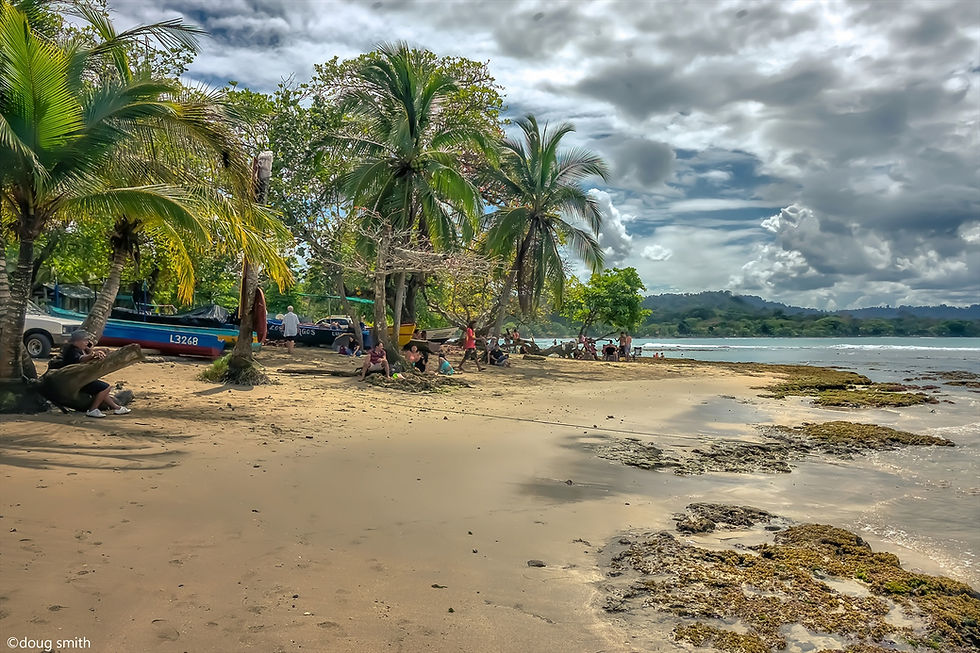
Punta Uva
Punta Uva is often ranked among the best beaches in Costa Rica for swimming.
The water here is usually calm, clear, and warm—perfect for relaxing or snorkeling.
Best for: Swimming, snorkeling, relaxation
Playa Negra (Cahuita)
Playa Negra stands out for its striking black sand, created by volcanic minerals.
It’s less crowded and offers a more local feel.
Best for: Unique scenery, quiet beach
Manzanillo Beach
Near the Panama border, Manzanillo is one of the most remote beaches in Costa Rica.
It’s part of a protected wildlife refuge and offers a truly off-the-grid experience.
Best for: Adventure, seclusion
Pacific vs Caribbean: Which Coast Is Better?
Pacific Coast
More developed and accessible
Better for surfing and sunsets
Wide variety of beaches
Caribbean Coast
Fewer crowds
Warmer water and coral reefs
Different weather patterns (best in Sept–Oct)
Best tip: If you can, visit both—each coast feels like a different country.
Best Time to Visit Costa Rica Beaches
Dry season (Dec–April): Best for sunshine and calm seas
Green season (May–Nov): Fewer crowds, lush landscapes
Caribbean coast: Best in Sept–Oct, when it’s driest
Costa Rica has a tropical climate with distinct dry and rainy seasons, which can vary significantly between coasts.
Tips for Visiting the Best Beaches in Costa Rica
Before you go beach hopping, here are a few practical tips:
Check the Season
Pacific Coast → Best from December to April (dry season)
Caribbean Coast → Often best from September to October
Understand Ocean Conditions
Not all beaches are swimmable year-round. Some have strong currents, especially on the Pacific side.
Always:
Ask locals or lifeguards about conditions before swimming and look for warning flags
Be cautious of rip currents (common on Pacific beaches)
Respect Wildlife
Costa Rica’s beaches are full of animals—but don’t feed them or leave food unattended (especially around monkeys!).
Plan Transportation
Some of the best beaches in Costa Rica require a bit of effort to reach—think dirt roads, ferries, or longer drives.
But that’s usually where the magic is.
Final Thoughts: What are the best beaches in Costa Rica?
The truth is, there’s no single “best” beach.
What makes Costa Rica special is the variety. You can experience completely different landscapes, vibes, and activities depending on where you go.
To recap:
Best for first-time visitors: Manuel Antonio
Best for surfing: Tamarindo, Santa Teresa, Nosara
Best for families: Samara, Punta Uva
Best for luxury: Playa Flamingo, Playa Conchal
Best for nature: Uvita, Manzanillo
The best beaches in Costa Rica are the ones that match your travel style.
Whether you’re watching monkeys in the jungle, surfing your first wave, or relaxing under palm trees with the sound of the ocean, Costa Rica offers a beach experience you won’t forget.
Frequently Asked Questions
What is the best time of year to visit Costa Rica’s beaches?
The best time to visit Costa Rica’s Pacific coast beaches is during the dry season (December to April) when you’ll get sunny days and calm seas. If you’re heading to the Caribbean side (Puerto Viejo, Manzanillo), the weather is often best in September and October, when the Caribbean has its dry spell. Keep in mind that even during the rainy season, mornings are often sunny, and the landscapes are lush and green.
What are the safest beaches for swimming in Costa Rica?
Some of the safest beaches with calm, swimmable waters include Playa Conchal, Playa Hermosa (Guanacaste), Playa Punta Uva, and Playa Manzanillo on the Caribbean side. Always check for posted signs or ask locals, as some beaches (especially surf beaches like Playa Hermosa near Jaco or Playa Cocles) can have strong rip currents.
What is the best beach in Costa Rica for surfing?
Costa Rica is a world-class surf destination. Top surfing beaches include Playa Tamarindo, Playa Santa Teresa, Playa Hermosa near Jaco, and Playa Cocles in Puerto Viejo. Whether you’re a beginner or advanced surfer, you can find surf lessons or board rentals in all major surf towns.
Are Costa Rica’s beaches free to access?
Most beaches in Costa Rica are free and open to the public by law. The only exceptions are beaches located inside national parks, like Playa Manuel Antonio, where you’ll need to pay the national park entrance fee (about $18 for foreigners).
Is it safe to visit Costa Rica’s beaches alone?
Yes, many solo travelers visit Costa Rica’s beaches safely every year. Towns like Santa Teresa, Tamarindo, and Puerto Viejo have welcoming backpacker communities. However, like anywhere, it’s important to take precautions: avoid leaving valuables on the beach, don’t walk alone at night on deserted stretches, and ask locals about current conditions.
Can you see wildlife on the Costa Rica beaches?
Absolutely! Many beaches in Costa Rica, especially those near national parks or wildlife refuges, are great for spotting monkeys, sloths, iguanas, sea turtles, and colorful birds. For example, Playa Manuel Antonio is famous for its monkeys, and Playa Ostional and Playa Grande are known for turtle nesting.
How much does it cost to stay at a beach hotel in Costa Rica?
Prices vary widely. Budget travelers can find hostels or cabins for $20 to $50 per night. Midrange hotels usually range from $100 to $250 per night. Luxury resorts can go from $300 to over $800 per night, especially in places like Santa Teresa, Manuel Antonio, or Playa Conchal. Booking in advance is recommended, especially during the high season.
Do Costa Rica’s beaches have lifeguards?
Some of the more popular and developed beaches, like Playa Tamarindo, Playa Hermosa, or parts of Manuel Antonio, have seasonal lifeguard patrols, but many beaches in Costa Rica do not. It’s crucial to be cautious, understand the ocean conditions, and never swim alone in unfamiliar waters.


Comments