


Costa Rica:
The Ultimate Travel Guide by locals who call it home
Costa Rica is more than just a tropical vacation destination.
It’s a country of volcanoes, rainforests, waterfalls, surf towns, wildlife, and warm-hearted people who truly live the meaning of “Pura Vida.” After traveling through Costa Rica for years and living here full-time, we can confidently say this small country has something for every type of traveler.
We’re Aurélise from France, and Zach & Esteban from the United States.
Together, we’ve been living in Costa Rica for over a decade, exploring every corner of the country while helping thousands of travelers plan unforgettable adventures through Pura Vida Traveling.
(Want to learn more about who we are? Check out our page About us)
Our home is in Quepos, near Manuel Antonio, where we also run our family boutique hotel, Villas Jacquelina. Because we live here year-round, we know Costa Rica beyond the tourist highlights — from hidden beaches and local sodas to the best transportation routes and real travel tips that make a difference.
This guide combines everything we’ve learned from living, traveling, and operating a travel business in Costa Rica to help you plan the perfect trip.
Why Visit Costa Rica?
Costa Rica is one of the most biodiverse countries in the world. Despite being smaller than many U.S. states, it packs an incredible amount of nature and adventure into a relatively compact area.
You can:
-
Surf world-class waves in the morning
-
Hike through cloud forests in the afternoon.
-
Relax in hot springs by night
-
Spot monkeys, toucans, and sloths every single day
What makes Costa Rica truly special isn’t just the scenery — it’s the lifestyle. “Pura Vida” is more than a phrase here. It’s a way of living focused on simplicity, happiness, and connection with nature.

Adventure activities
Costa Rica is one of the best destinations in the world for adventure travel.
Popular activities include:
-
Surfing
-
White-water rafting
-
Ziplining
-
ATV tours
-
Scuba diving
-
Waterfall rappelling
-
Hiking volcanoes
-
Sportfishing

Costa Rica contains nearly 5% of the world’s biodiversity.
You’ll find:
-
Sloths
-
Scarlet macaws
-
Toucans
-
Monkeys
-
Sea turtles
-
Dolphins
-
Whales
-
Frogs
-
Jaguars (rarely seen)
The country protects over 25% of its land through National Parks and Reserves.

Beaches
Costa Rica has both Pacific and Caribbean coastlines, each with its own personality.
The Pacific side offers:
-
Surf towns
-
Stunning sunsets
-
Luxury resorts
-
National parks
The Caribbean side offers:
-
Afro-Caribbean culture
-
Lush jungle beaches
-
Reef snorkeling
-
Relaxed island vibes

One of the best parts of traveling in Costa Rica is how accessible wildlife is. You don’t need expensive safaris or deep jungle expeditions. In many places, monkeys literally swing above the roads.
Some of our favorite wildlife destinations include:
-
Tortuguero
-
Osa Peninsula
Where is Costa Rica located?
Costa Rica is a small but incredibly diverse country located in the heart of Central America. It sits between Nicaragua to the north and Panama to the south, with coastlines on both the Pacific Ocean and the Caribbean Sea. This unique location gives Costa Rica an amazing variety of landscapes, climates, and ecosystems within a relatively small area.
Although Costa Rica is only about the size of West Virginia or slightly smaller than Switzerland, the country offers an incredible range of experiences. In just a few hours, you can travel from tropical beaches and surf towns to cool cloud forests, volcanoes, and dense jungles filled with wildlife.
Costa Rica is often considered one of the easiest and safest countries to visit in Central America thanks to its stable democracy, welcoming locals, well-developed tourism infrastructure, and strong focus on sustainability and eco-tourism.
One of the things we love most about Costa Rica is how accessible nature is. Whether you are visiting the Pacific Coast, the Caribbean side, or the mountainous interior, you are never far from beaches, waterfalls, wildlife, or national parks.
Costa Rica Map
Costa Rica may look small on a map, but travel times can be surprisingly long because of mountains, jungle roads, and winding highways.
For example:
-
La Fortuna to Manuel Antonio takes around 5–6 hours
-
Monteverde to Tamarindo takes around 4–5 hours
-
San José to Puerto Viejo takes around 5 hours
Planning transportation properly is extremely important.

The Capital City: San José
The capital of Costa Rica is San José, located in the Central Valley region of the country. Most international travelers arrive through Juan Santamaría International Airport (SJO), which serves as the country’s main international gateway.
While many visitors immediately head toward the beaches or national parks, San José is worth exploring for travelers interested in Costa Rican culture, history, and local life.
San José offers:
-
Museums and historical buildings
-
Traditional markets
-
Coffee shops and restaurants
-
Local neighborhoods
-
Nightlife and live music
-
Easy access to nearby volcanoes and coffee plantations
The Central Valley surrounding San José is also home to many local towns and some of Costa Rica’s best coffee-growing regions. Because of its higher elevation, temperatures here are often cooler and more comfortable than along the coast.
From San José, travelers can easily reach popular destinations like:
-
La Fortuna
-
Manuel Antonio
-
Monteverde
-
Tamarindo
-
Puerto Viejo
Although we personally prefer the slower pace of the coast near Quepos and Manuel Antonio, San José plays an important role in almost every Costa Rica itinerary.

Main Regions of Costa Rica
Costa Rica may be a small country, but it offers an incredible diversity of landscapes, climates, and travel experiences. From the tropical beaches of the Pacific Coast to the lush rainforests of the Caribbean, every region has its own personality and attractions. Whether you are searching for volcano adventures, wildlife encounters, surfing, waterfalls, or cultural experiences, Costa Rica has a destination for every type of traveler.
This map of Costa Rica highlights the country’s main regions and provinces, helping travelers better understand where the top destinations are located and what makes each area unique. Use this guide to discover the best places to visit in Costa Rica and plan the perfect itinerary for your trip.
Guanacaste
Located in northwestern Costa Rica, Guanacaste is famous for its sunny weather, beautiful Pacific beaches, and laid-back beach towns. This region is one of the most popular vacation destinations in Costa Rica thanks to world-class surfing, luxury resorts, and incredible sunsets. Travelers can explore destinations like Tamarindo, Playa Flamingo, Nosara, and the Papagayo Peninsula while enjoying activities such as snorkeling, catamaran tours, fishing, and ziplining. Guanacaste is also home to tropical dry forests, national parks, and volcanoes, making it perfect for both beach lovers and adventure seekers.
Alajuela
Alajuela is one of Costa Rica’s most diverse regions and is best known for the famous Arenal Volcano and La Fortuna. Visitors come here to experience natural hot springs, waterfalls, rainforest hikes, hanging bridges, and thrilling adventure activities like canyoning and white-water rafting. Beyond Arenal, Alajuela also includes rural mountain towns, coffee farms, and stunning nature reserves. Its central location and easy access from San José make it one of the best regions to include on any Costa Rica itinerary.
Heredia
Known as the “Land of Flowers,” Heredia offers a mix of culture, coffee plantations, cloud forests, and volcanoes. This region is less touristy than others, giving travelers a more authentic glimpse into everyday life in Costa Rica. Visitors can tour local coffee farms, explore Braulio Carrillo National Park, or visit the slopes of Barva Volcano. Heredia’s cool mountain climate and proximity to San José make it a great destination for eco-tourism and day trips.
Limón
Located along Costa Rica’s Caribbean coast, Limón is a vibrant region filled with Afro-Caribbean culture, lush jungles, and stunning beaches. The area offers a completely different atmosphere from the Pacific side of the country, with reggae music, Caribbean cuisine, and colorful coastal towns. Popular destinations include Puerto Viejo, Cahuita, and Tortuguero National Park, one of the best places in the world to see sea turtles nesting. Limón is ideal for wildlife lovers, surfers, and travelers looking for a more relaxed and cultural experience.
Cartago
Cartago is Costa Rica’s historical and spiritual heart. Once the country’s capital, this region is home to colonial architecture, fertile valleys, and impressive mountain landscapes. Travelers often visit Cartago to see the Basilica of Our Lady of the Angels, one of the most important religious sites in Costa Rica. The region also provides access to Irazú Volcano National Park, where visitors can admire volcanic craters and panoramic views. Cartago’s cooler climate and rich agricultural lands make it one of the country’s most scenic inland regions.
San José
San José is the capital city and cultural center of Costa Rica. While many travelers pass through quickly, the region offers museums, local markets, restaurants, nightlife, and historical landmarks worth exploring. Visitors can discover Costa Rican culture through the National Theater, the Gold Museum, and traditional neighborhoods throughout the city. San José also serves as the country’s main transportation hub, making it the gateway to destinations across Costa Rica.
Puntarenas
Puntarenas is Costa Rica’s largest region and stretches along much of the Pacific Coast. It includes some of the country’s most famous destinations, including Manuel Antonio, Jacó, Monteverde, Santa Teresa, Dominical, and the Osa Peninsula. This region offers incredible biodiversity, lush rainforests, pristine beaches, and abundant wildlife. Travelers can enjoy surfing, whale watching, scuba diving, waterfall hikes, and unforgettable national park experiences. Puntarenas is one of the best regions in Costa Rica for combining adventure, nature, and beach relaxation in one trip.
Planning a trip to Costa Rica becomes much easier when you understand the country’s different regions. Each area offers something unique, from volcanoes and cloud forests to Caribbean culture and Pacific surf towns. Whether you are visiting for adventure, relaxation, wildlife, or family travel, Costa Rica’s diverse regions make it one of the most exciting destinations in Central America.

Costa Rica’s Flag
The Costa Rican flag is one of the country’s most recognizable national symbols.
It features five horizontal stripes: Blue, White, Red, White, and Blue.
The colors each have a symbolic meaning:
-
Blue represents the sky, opportunities, and perseverance
-
White symbolizes peace and happiness
-
Red represents the warmth and generosity of the Costa Rican people, as well as the bloodshed for freedom
Costa Rica is internationally known for its peaceful values and democratic traditions. In fact, Costa Rica abolished its military in 1948 and instead invested heavily in education, healthcare, and environmental protection. This decision helped shape the peaceful and welcoming country visitors experience today.
You’ll see the Costa Rican flag proudly displayed throughout the country:
-
In towns and schools
-
On homes and businesses
-
During national celebrations
-
At local festivals and soccer games
For many travelers, the flag quickly becomes associated with the relaxed and joyful “Pura Vida” spirit that defines Costa Rica.
Best Places to Visit in Costa Rica:
Caribbean vs Pacific Coast
Pacific Coast
Best for:
-
Surfing
-
National parks
-
Resorts
-
Sunset beaches
-
Adventure travel
Popular Destinations:


Dominical
A relaxed surf town on Costa Rica’s South Pacific coast known for:
-
Consistent surf waves
-
Waterfalls and jungle
-
Yoga and wellness retreats
-
Beautiful sunsets
-
Easy access to Uvita and Marino Ballena
Dominical is perfect for travelers looking for a laid-back beach atmosphere mixed with surfing, nature, and adventure. It’s especially popular with surfers, backpackers, and couples wanting a more authentic and less crowded Costa Rica experience. We love the farmers' market on Fridays.


Manuel Antonio
As locals living nearby in Quepos, this is naturally one of our favorite places in Costa Rica.
Manuel Antonio offers:
-
White sand beaches
-
Wildlife everywhere
-
Jungle hikes
-
Great restaurants
-
Easy access from San José
It’s one of the best destinations for first-time visitors because it combines beaches, wildlife, adventure, and comfort all in one place.
Carribean Coast
Best for:
-
Afro-Caribbean culture
-
Relaxed atmosphere
-
Reef snorkeling
-
Jungle beaches
Popular Destinations:
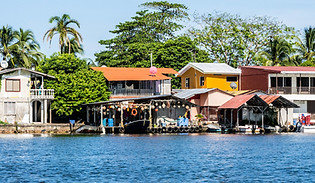

Cahuita
A laid-back Caribbean beach town famous for:
-
Sloths and monkeys
-
Coral reefs
-
Beautiful beaches
-
Afro-Caribbean culture
Perfect for travelers looking for a quieter Caribbean experience with nature, snorkeling, and local culture

Best things to do in Costa Rica
Costa Rica may be a small country, but it offers an incredible variety of experiences for travelers. From surfing world-class waves to exploring volcanoes, spotting exotic wildlife, and relaxing in natural hot springs, there’s something here for every type of traveler.
Whether you’re visiting for adventure, nature, relaxation, or family fun, these are some of the absolute best things to do in Costa Rica.
Surfing
Costa Rica is one of the world’s top surf destinations. Best surf towns:
-
Tamarindo
-
Santa Teresa
-
Dominical
-
Pavones
-
Nosara
Beginners and advanced surfers can both find excellent waves year-round. The Pacific coast is especially famous for consistent surf conditions, warm water, and laid-back beach towns. Whether you want to take your very first surf lesson or chase legendary long waves in Pavones, Costa Rica has a surf spot for every level.
Ziplining
Monteverde and Arenal are famous for zipline experiences through the jungle canopy.Ziplining is one of the most popular adventure activities in Costa Rica and a great way to experience the rainforest from above. Many tours include breathtaking views of cloud forests, waterfalls, volcanoes, and wildlife while you fly through the trees on some of the longest ziplines in Central America.
Wildlife Tours
Popular wildlife experiences:
-
Sloth tours
-
Whale watching
-
Dolphin tours
-
Night jungle walks
-
Birdwatching
Costa Rica is one of the most biodiverse countries in the world, making wildlife tours a must for nature lovers. Visitors often spot monkeys, sloths, toucans, scarlet macaws, crocodiles, frogs, dolphins, and even whales depending on the season and location.
Volcano Hiking
Costa Rica has more than 60 volcanoes. Top volcano destinations:
-
Arenal
-
Poás
-
Irazú
-
Rincón de la Vieja
Volcano hiking allows travelers to explore lava fields, volcanic craters, rainforest trails, waterfalls, and natural hot springs all in one trip. Arenal Volcano is the most famous, but each volcanic region offers unique landscapes and hiking experiences throughout the country.
Hot Springs
Natural hot springs around Arenal are one of the country’s most relaxing experiences.After a day of hiking or adventure activities, soaking in Costa Rica’s geothermal hot springs is the perfect way to relax. Many hot spring resorts in La Fortuna feature multiple thermal pools surrounded by tropical gardens and rainforest scenery.
Scuba Diving or Snorkeling
Top dive destinations:
-
Catalina Islands
-
Caño Island
-
Cocos Island
Costa Rica offers incredible opportunities on both the Pacific and Caribbean coasts. Divers can encounter sea turtles, reef sharks, manta rays, dolphins, colorful tropical fish, and seasonal whale sharks, depending on the location and time of year.
Costa Rica Transportation guide
Transportation is one of the most important parts of planning a Costa Rica trip, and it’s one of the areas where we help travelers the most through Pura Vida Traveling. Because roads can be slow and distances deceptive, choosing the right transportation can dramatically improve your experience.

Shared tourist shuttles are one of the easiest ways to travel between destinations.
Best for:
-
Solo travelers
-
Couples
-
Travelers who don’t want to drive
Most routes include hotel pickup and drop-off.
Private transportation is ideal for:
-
Families
-
Groups
-
Travelers wanting comfort and flexibility
Private transfers are one of the best ways to maximize limited vacation time.

-
Costa Rica’s bus network is affordable but slower.
-
-
Best for:
-
Backpackers
-
Budget travelers

Best for:
-
Flexibility
-
Families
-
Remote destinations
Pros:
-
Freedom to explore
-
Easier access to waterfalls and beaches
Cons:
-
Mountain roads
-
Parking issues
-
Insurance costs
A 4x4 vehicle is recommended for some regions, especially during rainy season.

Costa Rica has small domestic airlines connecting major destinations quickly.
Most popular routes:
-
San José to Quepos
-
San José to Tamarindo
-
San José to Drake Bay
Uber in Costa Rica
Uber works mainly in the San José area. In beach towns and rural areas, taxis and private transportation are more common. Check out our blog : "Is Uber Legal in Costa Rica?" for more informations
How expensive is Costa Rica?
Costa Rica is one of the more expensive countries in Latin America, especially compared to neighboring Nicaragua or Guatemala.
However, it can still fit many budgets depending on your travel style.
Backpacker Budget
Estimated:
-
$50–90 USD/day
Includes:
-
Hostels
-
Public transportation
-
Local sodas
Mid-Range
Budget
Estimated:
-
$150–300 USD/day
Includes:
-
Boutique hotels
-
Shared shuttles
-
Tours
-
Restaurants
Luxury Travel Budget
Estimated:
-
$400+ USD/day
Includes:
-
Luxury resorts
-
Private transportation
-
Fine dining
-
Premium tours
Transportation Costs
Transportation can become one of the biggest trip expenses if not planned properly.
Examples:
-
Shared shuttle: $50–80
-
Private transfer: $180–350
-
Domestic flight: $100–200
Food
Costs
Typical meal prices:
-
Soda/local restaurant: $6–12
-
Mid-range restaurant: $15–30
-
Fine dining: $40+
What is the best time to visit Costa Rica?
Costa Rica is a year-round destination, but the weather varies significantly depending on the region and season.
Dry Season
December to April:
-
Sunny weather
-
Peak tourism season
-
Best beach conditions
Green Season
May to November:
-
Lush landscapes
-
Fewer crowds
-
Lower prices
-
Afternoon rain
This is actually one of our favorite times of year because everything becomes incredibly green and vibrant.
Caribbean Weather
The Caribbean side follows a different weather pattern and can be sunny when the Pacific is rainy.
Pacific Weather
The Pacific coast has more pronounced dry and rainy seasons.
Cheapest Months to Visit
Generally:
-
May
-
September
-
October
-
Early November

Is Costa Rica Safe?
Costa Rica is generally considered one of the safest countries in Central America.
Millions of tourists visit every year without problems.
That said, travelers should still use common sense.
Tourist Safety
Most issues involve petty theft:
-
Don’t leave valuables in rental cars
-
Be cautious on empty beaches
-
Avoid displaying expensive items
Driving Safety
Driving requires extra caution because:
-
Roads can be narrow
-
Night driving is difficult
-
Rain can impact visibility
We strongly recommend avoiding long drives after dark.
Beach Safety
Many beaches have strong rip currents.
Always:
-
Respect warning flags
-
Ask locals about conditions
-
Avoid isolated swimming spots
Solo Female Travelers
Costa Rica is one of the better destinations in Latin America for solo female travelers, especially in tourism areas.
Costa Rica Travel Tips
Currency
Costa Rica uses the Costa Rican Colón, but U.S. dollars are widely accepted.
Drinking Water
Tap water is safe in most tourist areas. Bring a reusable water bottle
SIM Cards
-
Kolbi, Claro, and Liberty are the main providers.
-
SIM cards are inexpensive and easy to purchase.
Spanish Basics
English is widely spoken in tourism zones, but learning a few Spanish phrases goes a long way.
Useful phrases:
- Pura Vida
- Gracias
- Buenos días
- Cuánto cuesta?
Electricity
Costa Rica uses: 110V and Type A/B plugs. It's the same as the United States and Canada.
Tipping Culture
Service is often included in restaurant bills, but additional tips are appreciated for excellent service.
Costa Rica Itinerary Ideas
Planning the perfect Costa Rica itinerary can feel overwhelming with so many incredible destinations to choose from. From volcanoes and cloud forests to tropical beaches and wildlife-filled national parks, every region offers something unique. The good news is that Costa Rica is a relatively small country, making it easy to combine several destinations into one unforgettable trip.
Whether you are visiting Costa Rica for one week, two weeks, a family vacation, or an adventure-filled getaway, there are endless ways to experience the country. Some travelers focus on nature and wildlife, while others prefer surfing, waterfalls, hot springs, or relaxing beach towns. These Costa Rica itinerary ideas will help you discover the best routes and destinations based on the length and style of your trip.
Below, you’ll find some of the most popular Costa Rica travel itineraries, including classic first-time routes, family-friendly vacations, and adventure-packed journeys through the country’s top destinations.
7-Day Costa Rica Itinerary
Suggested route:
-
La Fortuna
-
Monteverde
-
Manuel Antonio
10-Day Costa Rica Itinerary
Suggested route:
-
La Fortuna
-
Monteverde
-
Manuel Antonio
-
Uvita
2-Week Costa Rica Itinerary
Suggested route:
-
Puerto Viejo
-
La Fortuna
-
Monteverde
-
Manuel Antonio
-
Uvita
Family Trip
Best destinations:
-
Manuel Antonio
-
La Fortuna
-
Tamarindo
Adventure Trip
Best destinations:
-
Arenal
-
Monteverde
-
Manuel Antonio
-
Santa Teresa

Why we love living in Costa Rica?
When we first came to Costa Rica, we planned to stay temporarily. Like many travelers, we quickly fell in love with the country’s nature, lifestyle, and people.
Today, Costa Rica is home.
Living in Quepos near Manuel Antonio has allowed us to experience Costa Rica beyond tourism. We’ve built relationships with local guides, transportation providers, restaurants, and communities across the country.
Through Pura Vida Traveling, our goal is to help travelers experience Costa Rica more easily, more authentically, and with better local knowledge than they could find in a generic guidebook.
We truly believe Costa Rica is one of the most beautiful and rewarding travel destinations in the world.
Frequently Asked Questions About Costa Rica
Is Costa Rica worth visiting?
Absolutely. Costa Rica offers incredible biodiversity, beaches, wildlife, adventure, and warm hospitality in one relatively small country.
Is Costa Rica expensive?
Costa Rica is more expensive than many neighboring countries, but travelers can still visit comfortably on a wide range of budgets.
Do I need a car in Costa Rica?
Not necessarily. Many travelers use shared shuttles, private transfers, and domestic flights successfully.
What is the best area to visit in Costa Rica?
For first-time visitors, we often recommend:
-
Manuel Antonio
-
La Fortuna
-
Monteverde
Is Costa Rica safe for tourists?
Yes, Costa Rica is generally very safe for tourists when using normal travel precautions.
What is the best month to visit Costa Rica?
January through April offer the driest weather, while May through August provide lush scenery with fewer crowds.
Can you drink the water in Costa Rica?
In most tourist destinations, yes.
How many days do you need in Costa Rica?
We recommend at least 10 days if possible to experience multiple regions without rushing.
What is Costa Rica known for?
Costa Rica is famous for:
-
Rainforests
-
Wildlife
-
Surfing
-
Volcanoes
-
Eco-tourism
-
Pura Vida lifestyle
Is Manuel Antonio worth visiting?
Definitely. As locals from the area, we believe Manuel Antonio offers one of the best combinations of wildlife, beaches, restaurants, and accessibility in the country.