
Visiting Costa Rica for the first time? The Ultimate Guide
So you've decided to visit Costa Rica for the first time — ¡Pura Vida!
You've made an excellent choice. Costa Rica is one of the most biodiverse, welcoming, and breathtaking countries in the world. But like any destination, a great trip starts with great preparation. Whether you're a backpacker counting every colón, a family looking for safe adventure, or a solo traveler chasing wildlife and sunsets, this guide covers everything you need to know — from the moment you land to the moment you reluctantly board your flight home.
Table of Contents

1. Why Visit Costa Rica?
Ask anyone who has visited Costa Rica, and they'll tell you the same thing: it gets under your skin. There's something about this small Central American country — roughly the size of West Virginia — that makes people come back again and again. So what exactly is the magic?
A spectacular natural environment
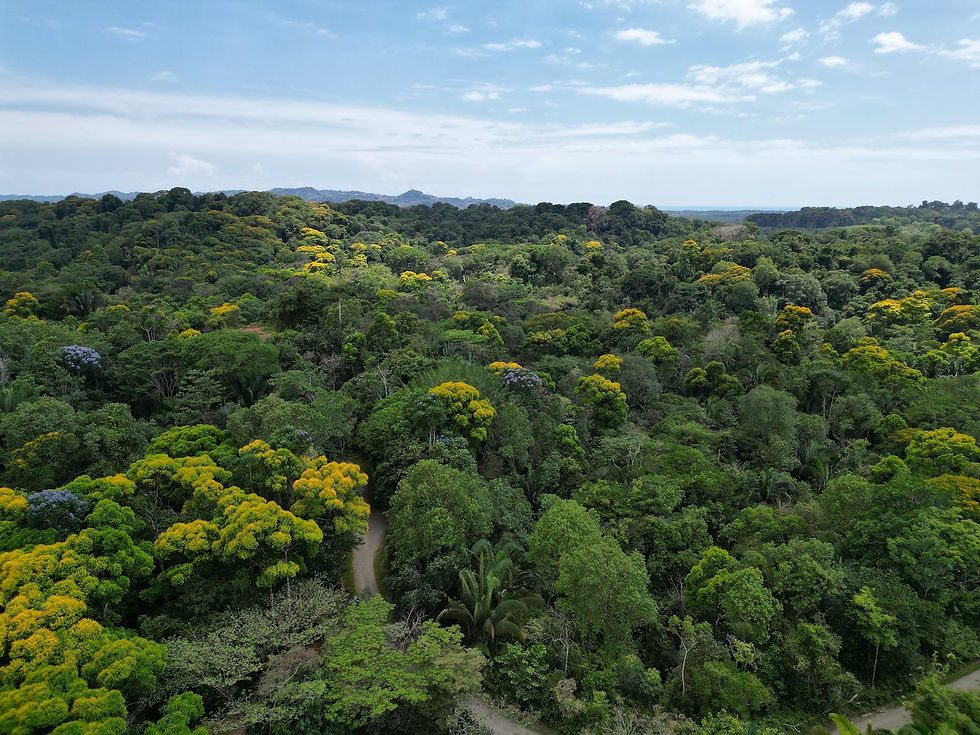
Costa Rica is a tropical paradise packed with lush rainforests, misty cloud forests, steaming volcanoes, coconut-lined Pacific and Caribbean beaches, and even dry savanna plains. In a single day you can wake up in a bathing suit at the beach, drive a few hours, and find yourself wrapped in a rain jacket hiking a mossy cloud forest trail. The country protects over 25% of its territory in national parks and reserves — a world record — so undeveloped, pristine natural gems are everywhere.
Extraordinary wildlife
Costa Rica harbours roughly 5% of the entire planet's biodiversity in less than 0.03% of the world's land area. Monkeys, sloths, toucans, sea turtles, crocodiles, blue morpho butterflies, jaguars, and over 900 species of birds call this country home. You don't need to go looking hard — wildlife often comes to you.
Adventure for every level
From white-water rafting on the Pacuare River and ziplining over cloud forests, to learning to surf on gentle beginner breaks and kayaking jungle canals — Costa Rica has adventure activities for thrill-seekers and gentle explorers alike.
Warm, Welcoming People
Costa Ricans, known as Ticos, are famously friendly, helpful, and proud of their country. The national phrase — Pura Vida — literally translates to "pure life" and is used for everything from "hello" to "no worries" to "cheers." It perfectly captures the local spirit.
Safe and politically stable
Costa Rica abolished its military in 1948, redirecting that budget toward education and healthcare. It consistently ranks as one of the safest and most stable countries in Latin America, making it an excellent choice for first-time visitors to the region.
Easy to travel
English is widely spoken in tourist areas, tourism infrastructure is well-developed, no visa is required for most nationalities, and flights from the US, Canada, and Europe are frequent and reasonably priced.

2. Best time to visit Costa Rica
Costa Rica has two main seasons: the dry season (December–April) and the green/rainy season (May–
November). Neither is inherently "bad" — they simply offer different experiences and price points.
Dry Season (December–April):
This is peak tourist season and the most popular time for first-timers. Expect sunny skies, ideal beach conditions on both the Pacific and Caribbean coasts, and easier access to hiking trails and national parks. The flip side: this is also the most expensive time to visit, and popular destinations get crowded — especially around Christmas, New Year, and Easter (Semana Santa), when Costa Ricans themselves travel in large numbers. Book accommodation, tours, and transport well in advance.
Green Season (May–November):
Rainfall typically falls in afternoon showers, leaving mornings clear and fresh. The landscape transforms into an intense emerald green, waterfalls swell to their most impressive, wildlife is prolific, and you'll share attractions with far fewer tourists. Prices for hotels and tours drop by 20–40%. If you're flexible and don't mind occasional rain, the green season is a fantastic — and underrated — time to visit.
💡 Insider Tip: December through March offers the best weather but the highest prices and largest crowds. For first-timers who want great conditions without the peak-season chaos, May, June or November are sweet spots — decent weather, lower prices, and thinner crowds. Read our full Costa Rica Weather by Month & Best Time to Visit guide for a detailed month-by-month breakdown.
One important note: Costa Rica's Caribbean coast follows a different rainfall pattern from the Pacific. When it's raining in Manuel Antonio, it can be sunny in Puerto Viejo — and vice versa. This is great news for flexible itineraries.
3. Entry Requirements & Visas
The good news: visiting Costa Rica is refreshingly straightforward for most nationalities.
Passport & Visa
Citizens of the USA, Canada, the UK, EU countries, Australia, and most others do not require a visa to enter Costa Rica for stays up to 180 days. Your passport must be valid for at least six months beyond your intended arrival date. Always verify current requirements with the Costa Rican embassy for your specific country before travelling, as regulations can change.
Proof of Onward Travel
Immigration officers at the airport sometimes ask for proof of a return or onward flight. Even if you plan to leave overland, it's wise to have a ticket out of the country — or be prepared to purchase one at check-in if requested.
Digital Entry Form
Costa Rica requires all visitors to complete an official digital entry form at visitascostarica.com before arrival. Fill this out in advance to speed up the immigration process and avoid delays at the airport.
Health
No specific vaccines are required to enter Costa Rica. The CDC recommends being up to date on routine vaccines, and Hepatitis A and Typhoid vaccines are worth considering — especially if you plan to spend time in rural or jungle areas. Pack good insect repellent with DEET for mosquito protection, particularly near rivers and at dusk.

4. Top Destinations for First-Time Visitors
Costa Rica is small — roughly 51,000 km² — but astonishingly diverse. Most first-time visitors can realistically explore two to four regions in 10–14 days. Here are the destinations that should top your list:
La Fortuna & Arenal Volcano
The crown jewel for first-timers. Arenal Volcano looms dramatically over the town of La Fortuna, surrounded by natural hot springs, hanging bridges, stunning waterfalls, and world-class adventure activities. This region delivers the quintessential Costa Rica experience — lush rainforest, steaming geothermal springs, and spectacular volcano views. Don't miss: La Fortuna Waterfall, the Arenal hot springs, and a night wildlife tour.
Monteverde Cloud Forest
No trip to Costa Rica is complete without experiencing a cloud forest. Monteverde drapes itself in mist at 1,400 metres elevation and is home to the resplendent quetzal, hundreds of orchid species, and some of the best ziplines and hanging bridges in the country. It feels like a completely different world from the coast. Don't miss: The hanging bridges walk through the cloud forest canopy and a guided night tour.
Manuel Antonio National Park
One of Costa Rica's most visited national parks — and justifiably so. Here you'll find white-sand beaches fringed by primary jungle where howler monkeys, white-faced capuchins, sloths, and iguanas roam freely alongside visitors. You can hike through dense forest in the morning and swim on a tropical beach by afternoon. Book your park entry well in advance as daily visitor numbers are limited.
Tamarindo & Guanacaste
If sun, surf, and golden beaches are your priority, head to the North Pacific province of Guanacaste. Tamarindo is a lively surf town with excellent restaurants, nightlife, and easy access to some of Costa Rica's most beautiful beaches. For a full overview of where to swim and sunbathe, read our guide to the best beaches in Costa Rica.
Santa Teresa & the Nicoya Peninsula
A favourite for surfers and free-spirited travellers, Santa Teresa's dusty main road is lined with yoga studios, organic cafés, and world-class waves. Less developed than Tamarindo but increasingly popular, it's the kind of place that makes people extend their stays by weeks. See our best surf spots in Costa Rica guide for details on every break.
Tortuguero
Accessible only by boat or small plane, Tortuguero is Costa Rica's Amazonian experience — a network of jungle canals teeming with caimans, river turtles, monkeys, and tropical birds. From July to October it becomes one of the world's most important nesting grounds for the endangered green sea turtle. One of the most unique and unforgettable corners of the country.
Puerto Viejo & the Caribbean Coast
Completely different in character from the Pacific side, the Caribbean coast offers Afro-Caribbean culture, reggae rhythms, chocolate farm tours, and some of the most beautiful jungle-fringed beaches in the country — Playa Cocles and Manzanillo among them. Puerto Viejo makes for a wonderful contrast to a Pacific itinerary and is growing in popularity for good reason.
✈️ Popular First-Timer Route: San José → La Fortuna → Monteverde → Manuel Antonio → San José. This classic circuit covers volcano, cloud forest, and Pacific beach in about 10–12 days and is perfectly manageable without a rental car. We can arrange private shuttles and tours for every leg of this journey.

5. Getting around Costa Rica
Transport is one of the most important things to plan in advance. Roads can be rough, distances are deceptive on a map, and some bus journeys take far longer than expected. Here's a breakdown of your main options:
Public Bus
The cheapest way to travel and an authentic local experience. Buses connect all major destinations, but journeys are slow, schedules can be confusing, and they're not always convenient with large backpacks. Best suited to budget travellers with plenty of time and flexibility. Check out our page about buses in Costa Rica to find information (prices, schedules, routes)
Shared Shuttle
The sweet spot for most first-time visitors. Shared tourist shuttles connect all major destinations, are air-conditioned, pick you up at your accommodation, and cost a fraction of a private transfer. They run on fixed schedules, so some flexibility is required, but they're the most popular option among independent travellers.
Rental Car
Renting a car gives you the most freedom to explore off the beaten track and travel at your own pace — ideal for families or anyone planning to visit remote areas. Important caveats: many roads require a 4WD vehicle, GPS maps are often incomplete, and mandatory insurance can be expensive. If you stick to the main tourist circuit, shuttles are often easier and cheaper than renting.
Private Transfer
The most comfortable and convenient option, particularly for families, older travellers, or those with early morning or late evening arrivals. You get a dedicated vehicle and driver, direct routing, and no fixed timetable. We offer reliable private transfers throughout Costa Rica at competitive prices.
Domestic Flights
The fastest way to cover large distances — a 6-hour bus journey can become a 45-minute flight with Sansa or Green Airways. Worth considering if you're short on time or travelling to remote destinations like the Osa Peninsula or Tortuguero. Note that small aircraft have strict luggage weight limits.
🚗 Should You Rent a Car? If you plan to explore remote areas, travel with family, or want total flexibility, a rental car can be worth it. If you're following the main tourist route between La Fortuna, Monteverde, and the Pacific coast, shuttles are usually more practical — you won't have to worry about road conditions, parking, or vehicle break-ins.

6. Things to Do in Costa Rica
This is where Costa Rica truly excels. Whether you're an adrenaline junkie, wildlife enthusiast, beach lover, or cultural explorer, extraordinary experiences are waiting at every turn.
Wildlife & Nature
Guided hikes in national parks, night walks spotting frogs and insects, birdwatching tours at dawn, boat trips through the Tortuguero canals, and whale watching in the Osa Peninsula — nature-based activities could fill an entire month. Costa Rica rewards slow, attentive travel.
Surfing
Costa Rica is one of the world's great surf destinations, with consistent waves year-round on both coasts. Beginners thrive in Jacó, Tamarindo, Dominical, and Samara. More experienced surfers head to Pavones (home to one of the longest left-hand waves on Earth), Witch's Rock in Guanacaste, or the heavy beach breaks of Santa Teresa. Read our full guide to surfing in Costa Rica for everything you need to know.
Adventure Activities
Ziplining through cloud forest canopies, white-water rafting on the legendary Pacuare River (consistently ranked among the world's best), canyoning down jungle waterfalls, ATV tours through rainforest trails, and bungee jumping over rivers — Costa Rica is arguably the adventure capital of Central America.
Hot Springs
Volcanic geothermal activity heats natural hot spring pools throughout the Arenal region. From rustic riverside pools to luxury thermal resort spas, soaking in a natural hot spring under the stars after a day of hiking is one of Costa Rica's signature pleasures.
Water Activities
Snorkelling at Caño Island Biological Reserve (one of the best dive sites in the Pacific), scuba diving off the Osa Peninsula, kayaking through the Tortuguero canals, sport fishing in the Gulf of Nicoya, dolphin and whale watching on both coasts — Costa Rica's waters are as rich as its jungles.
Coffee & Chocolate
Costa Rica produces some of the world's finest single-origin Arabica coffee, and a coffee farm tour in the Central Valley or Tarrazú region is both fascinating and delicious. Similarly, chocolate (cacao) farm tours on the Caribbean coast offer deep insight into local agriculture and culture.

7. Safety Tips for First-Time Visitors
Costa Rica is one of the safest countries in Latin America, and the vast majority of visitors have completely trouble-free trips. Common sense goes a long way.
General Safety
Petty theft — particularly phone and bag snatching — is the most common issue for tourists, primarily in San José, at beaches, and in busy tourist areas. Avoid displaying expensive jewellery, cameras, and phones unnecessarily. Use your hotel safe for valuables and a copy of your passport. Don't leave bags unattended on the beach even for a moment.
Beach Safety
Rip currents are a serious hazard on many Costa Rican beaches, particularly on the Pacific coast. Always swim at patrolled beaches when possible, check local conditions before entering the water, and never underestimate the ocean's power. Many beaches have no lifeguards on duty.
Wildlife Safety
Costa Rica's wildlife is wild — and should be treated as such. Never touch, feed, or try to handle animals, even seemingly friendly ones like howler monkeys (which can bite). Watch your step on jungle trails, particularly at night. Shake out shoes left outdoors overnight in humid jungle areas. Wear long sleeves and insect repellent near rivers and at dusk.
Vehicle Safety
Break-ins to rental cars are the most commonly reported crime affecting tourists. Never leave anything visible inside a parked vehicle — not a bag, jacket, or even a charging cable. Use secure, attended parking lots wherever possible, especially at beaches and trailheads.
Road Safety
Driving in Costa Rica requires patience and caution. Roads are often poorly maintained, unsigned, and lack guardrails in mountainous areas. Never drive at night if you can avoid it, and take river crossings extremely carefully — check depth before crossing and never attempt a crossing if water appears fast-moving. If in doubt, wait for another vehicle to cross first.
🔒 ATM Safety: Use ATMs inside bank branches or supermarkets rather than standalone street machines. Cover your PIN, check for card skimming devices, and notify your bank before travel that you'll be in Costa Rica to avoid your card being blocked.
8. Budget & Money in Costa Rica
Costa Rica is not the cheapest destination in Central America, but it offers extraordinary value for what you get — world-class national parks, high safety standards, excellent food, and adventure activities that would cost far more elsewhere.
Rough Daily Budgets
Budget traveler (backpacker): $50–80/day — hostels, local sodas (family restaurants), public buses, free beaches, self-guided hikes
Mid-range traveler: $100–200/day — guesthouses and small hotels, a mix of restaurants, shared shuttles, and guided tours
Comfort/luxury: $200–400+/day — boutique ecolodges, private transfers, premium tours, fine dining
Currency
The local currency is the Costa Rican Colón (CRC). US Dollars are widely accepted throughout the country, but using colónes for local purchases — at sodas, markets, and small shops — will often get you better value. Always carry some local cash for national park entrances, tips, and smaller establishments that don't accept cards.
Saving Money
Eat at local sodas for the best-value meals — the casado (rice, beans, salad, and protein of your choice) is filling, delicious, and typically costs around $8. National park entrance fees range from $15–22 per person and must be booked online in advance for the most popular parks. Travelling during the green season (May–November) can cut accommodation costs by 20–40% compared to peak season.

9. What to pack for Costa Rica
Packing for Costa Rica means packing for multiple climates in one trip: humid beach heat, steamy jungle, and cool misty cloud forest temperatures. The key is to travel light but cover the bases.
Clothing & Footwear
Lightweight, quick-dry clothing (avoid cotton for jungle hiking)
Long-sleeve shirt for sun protection and hiking
A light rain jacket or packable poncho
2–3 sets of swimwear
Sturdy hiking shoes or trail boots (essential for national parks)
Flip-flops or sandals for beaches and towns
A warm mid-layer for Monteverde and higher-elevation areas
Health & Essentials
Reef-safe sunscreen (high SPF — the sun is intense). We personally love the Thinksport Kids Sunscreen Spray SPF 50+, 6 Fl Oz (super handy when your hands are full of sand) or the Thinkkids Safe Mineral Sunscreen SPF 50+, 3 Fl Oz, if you are travelling with only cabin baggage
DEET-based insect repellent like the Badger Bug Spray, available in different sizes. Making your own is even better.
An insulated reusable water bottle (tap water is safe in most areas). Our all-time favorite: the Hydro Flask Water Bottle
Small personal first aid kit with blister treatment
Any prescription medications (bring more than you think you'll need)
Waterproof bag or dry bag for beach days and boat trips
Portable power bank
♻️ Eco Tip: Costa Rica is deeply committed to environmental sustainability — and visitors are expected to be too. Bring a reusable water bottle, use reef-safe sunscreen to protect coral reefs, and pack a reusable bag for shopping. Avoid single-use plastics wherever possible.
10. Staying Connected: SIM Cards & Internet
Staying connected in Costa Rica is much easier than many travellers expect.
Local SIM Card
Buying a prepaid local SIM card is the most affordable and practical solution for most visitors. The three main providers are Kolbi (best overall national coverage), Claro, and Movistar. SIM cards are available at Juan Santamaría International Airport and at most large supermarkets (Más x Menos, Super Mas). A data plan for your entire trip typically costs $10–25 and gives you solid 4G coverage in all towns and tourist areas. For a full breakdown of which carrier suits your specific itinerary, read our SIM card and phone service guide for Costa Rica.
WiFi
Most hotels, hostels, restaurants, and cafés offer free WiFi. Signal can be weak or non-existent in remote areas like Corcovado National Park, deep in the Osa Peninsula, and some jungle lodges — plan accordingly. Download offline maps (Google Maps or Maps.me work well) and save key addresses before heading off the grid.
📱 Useful Apps to Download: Waze for navigation (locals prefer it over Google Maps), iNaturalist for identifying wildlife, Google Translate with offline Spanish, and a local weather app like Windy.
11. Travel Insurance: Don't skip it
Travel insurance is one area where cutting corners in Costa Rica can be a very expensive mistake. Medical costs, emergency helicopter evacuations from remote jungle or coastal areas, and trip cancellations can run into tens of thousands of dollars.
Look for a policy that covers emergency medical treatment and hospitalisation, emergency evacuation (critical if you're visiting Corcovado, Tortuguero, or other remote areas), adventure activities (ziplining, surfing, white-water rafting, and hiking should all be included), as well as trip cancellation and lost or stolen luggage.
We recommend World Nomads for most independent travellers visiting Costa Rica — they specialise in adventure travel, cover a wide range of activities, and have a straightforward claims process. Read our full travel insurance guide for Costa Rica before purchasing a policy.

12. Common Mistakes First-Timers Make in Costa Rica
These come up again and again — and all of them are easily avoided with a little preparation. Read our complete article on common mistakes to avoid when travelling to Costa Rica for the full list.
1. Underestimating travel times. Costa Rica is small on a map, but roads are slow. A 60 km journey on unpaved, mountainous terrain can easily take three hours or more. Always add buffer time and research road conditions for the season you're travelling in.
2. Not booking in advance during peak season. December through April is extremely popular. Hotels, tours, shuttle seats, and national park entries fill up weeks — sometimes months — in advance, especially around Christmas, New Year, and Easter. Book early or be prepared to miss out.
3. Skipping travel insurance. A medical emergency, broken bone from a surfing wipeout, or helicopter evacuation from a remote national park can cost $20,000 or more. Coverage is non-negotiable.
4. Trying to see too much in too little time. Many first-timers cram five or six destinations into a week and spend most of their holiday in transit. Focus on two or three regions, go deeper, and travel slower — you'll enjoy it far more.
5. Not booking national park entries in advance. Parks like Manuel Antonio, Corcovado, and Arenal have strict daily visitor caps. Entry must be reserved online, often weeks ahead during peak season. Showing up at the gate without a booking frequently means being turned away.
6. Leaving valuables visible in rental cars. Break-ins at beaches, trailheads, and popular viewpoints are the most common crime affecting tourists. Never leave anything — not a backpack, a jacket, or even a visible charging cable — inside a parked car.
13. Dos & Don'ts from Locals
For the full guide from Ticos themselves, read our dos and don'ts of Costa Rica — tips from locals.
Do:
Learn a few Spanish phrases — even a simple "buenas" (hello) earns instant goodwill with Ticos
Say "Pura Vida" — it works as a greeting, a thank you, a reaction to good news, and a general life philosophy
Tip around 10% if a service charge isn't already included
Eat at local sodas — the food is fresher, cheaper, and more delicious than most tourist restaurants
Respect wildlife — keep your distance, never feed animals, and stay on marked trails in national parks
Use reef-safe sunscreen at all beaches to protect coral reef ecosystems
Don't:
Don't compare Costa Rica to other Central American countries as if they're interchangeable — Ticos are proud of their unique culture and history
Don't assume it's always hot — cloud forest regions like Monteverde get cold, especially at night, and you'll genuinely need a warm layer
Don't drink and drive — DUI enforcement is strict and penalties are severe
Don't ignore warning flags or signage at beaches — many Costa Rican surf beaches have powerful shore breaks and dangerous rip currents
Don't support wildlife selfie operations or establishments that keep wild animals for tourist photos — it's harmful to the animals and often illegal
Don't leave valuables on the beach while swimming, even for a few minutes
14. Quick FAQs for First-Time Visitors
For deeper answers to these and many more questions, read our guide on the most important things to know before visiting Costa Rica.
Is Costa Rica safe for solo travelers?
Yes — it's one of the safest countries in Latin America for solo travel, including for solo women. Stick to well-travelled routes, use reputable transport, and trust your instincts. Tourism infrastructure is excellent, English is widely spoken, and locals are genuinely helpful.
Do I need to speak Spanish?
Not at all. English is widely spoken in tourist areas and most hotels and tour operators will communicate fluently in English. That said, learning a few phrases enriches your experience enormously. "Buenas," "gracias," "con permiso," and of course "Pura Vida" go a long way.
Is Costa Rica good for families?
Exceptionally so. Wildlife watching, ziplining, gentle river tubing, beach days, and cultural experiences appeal to children and adults alike. Many lodges and hotels cater specifically to families, and the country's safety and stability make family travel very comfortable.
Can I drink the tap water?
In most urban and tourist areas, yes — Costa Rica has some of the cleanest tap water in Latin America and it's safe to drink straight from the tap. In very remote or rural areas, use bottled or filtered water to be safe.
What currency should I use?
The Costa Rican Colón is the local currency. US Dollars are widely accepted, but paying in colónes at local businesses often gets you a better rate. Always carry some cash — not everywhere accepts cards, and some national parks and smaller establishments are cash-only.
How many days do I need?
A minimum of 10–14 days is ideal for a well-rounded first visit covering beach, rainforest, and volcano. Seven days is doable but feels rushed. Three weeks lets you explore at a comfortable pace and discover corners of the country that most visitors never reach.
Ready to plan your first Costa Rica trip?
Costa Rica has a way of exceeding every expectation. The wildlife is more spectacular than the photos suggest, the people are warmer than the guidebooks describe, and the landscapes are more varied than you can imagine from a single country this size.
Before you go, make sure you've read our full set of guides: the things to know before visiting Costa Rica, our weather by month and best time to visit guide, and our advice on common mistakes to avoid. Once you're ready to book, we're here to help with tours, shuttles, and private transport throughout the entire country.
¡Hasta pronto, Costa Rica is waiting for you!

Comments