You can be sitting on a beach in Guanacaste one morning and eating dinner in Nicaragua that evening. The catch is the border. Peñas Blancas is a working land crossing, not a single counter where you hand over your passport and walk out the other side. You leave Costa Rica, cross on foot through the border area, enter Nicaragua, and arrange the next leg of your journey. Coming back, you do those steps in reverse.
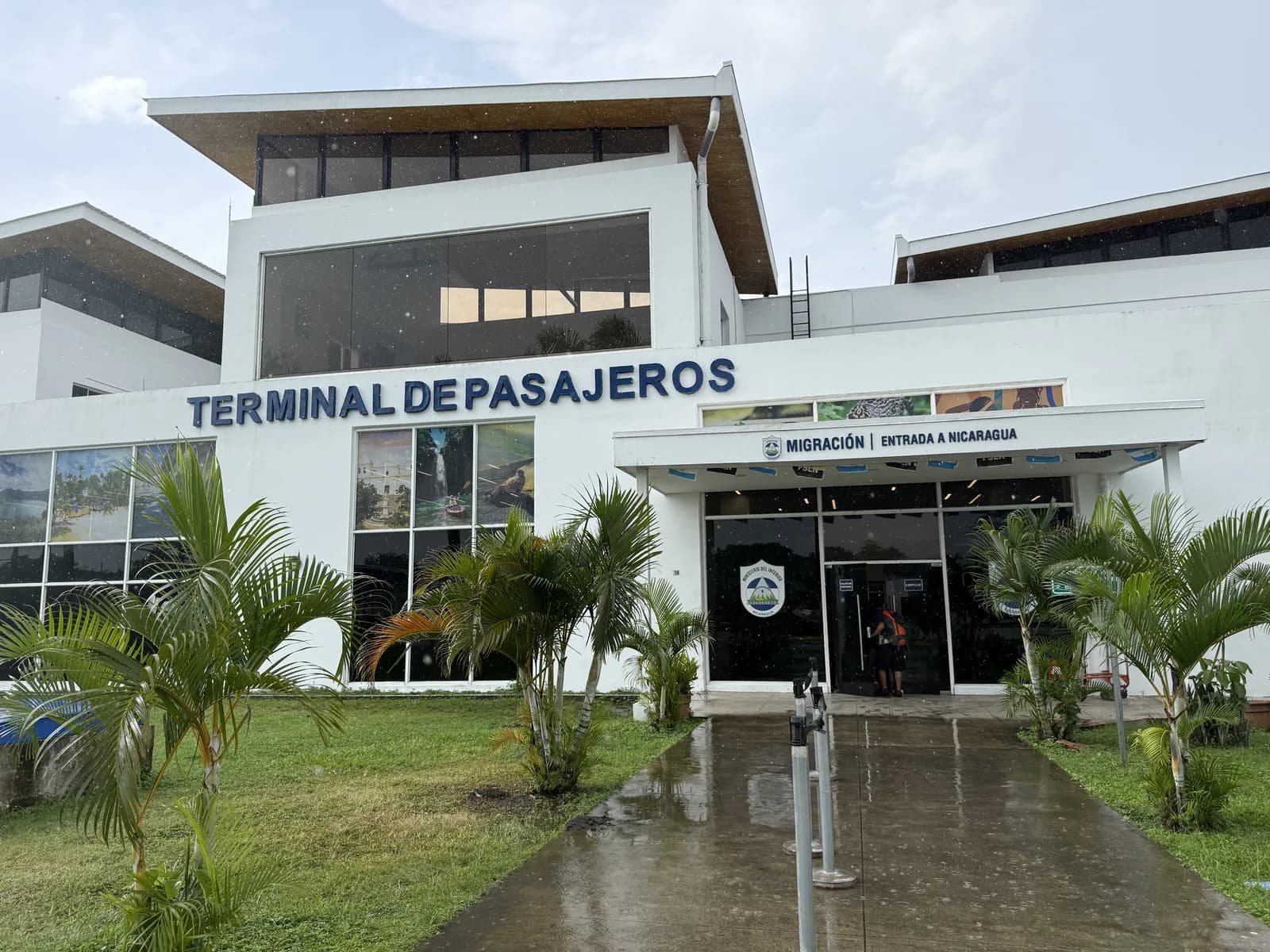
This guide is for travelers making that trip independently or with a transfer. It covers what to check before leaving, how to get to Peñas Blancas, the sequence of offices, what to budget for border fees, and how to get moving again after immigration. If you are starting in Tamarindo, Liberia, or San José, the journey before the border can be very different, but the paperwork in the middle is much the same.
Our best advice: give the crossing a generous block of daylight, carry small U.S. dollar notes, and do not schedule an onward connection so tightly that one slow queue ruins the day. Once you know which desk comes next, the process feels much less mysterious.
What you need before you travel
First, check the entry rules for your passport. Nationality, residence status, past travel and the purpose of your visit can all matter. Nicaragua's requirements are set by Nicaraguan authorities, while Costa Rica decides whether you may return later. A bus ticket or hotel reservation cannot override a visa requirement. Ask the appropriate embassy or consulate if your circumstances are unusual.
Your passport should have at least six months of validity for Nicaragua. U.S., U.K. and Canadian official travel guidance all emphasize that requirement, though the exact measurement can differ by nationality. If your passport is damaged, nearly full, or about to expire, deal with that before setting out rather than hoping the official at the window makes an exception. Keep it on your person; do not put it in a bag that disappears into a bus luggage hold.
Have your first destination and accommodation address ready. You may be asked where you are staying and for how long. Nicaragua may ask for an onward or return ticket and evidence of funds. Requirements for minors, dual nationals, residents, travelers entering for work or volunteering, and people who have recently visited yellow-fever-risk countries need a separate check. Do not assume a tourist's checklist covers every case.
If you intend to come back to Costa Rica, prepare for Costa Rican entry again, not merely your departure from Nicaragua. Costa Rica asks non-residents for an onward or return ticket and may ask for evidence of funds; its tourism authority says a pre-purchased bus ticket, flight or cruise passage can qualify as onward travel. Carry a clear copy that shows your name, date and departure from Costa Rica. The immigration officer determines the length of any new stay. A previous permission to stay does not promise an identical period after a border trip.
A quick trip across the border is not a guaranteed way to reset tourist permission. If you have overstayed, have a pending residency application, or are relying on re-entry for a long stay, ask a qualified immigration professional or the relevant authority before making travel plans. We cannot promise that an exit and immediate return will solve your status.
Save offline copies of your tickets, reservations and key addresses. Data coverage and phone batteries have an unfortunate habit of disappearing just when somebody asks to see a document. A paper backup is worth the tiny bit of luggage space.
What to bring to the border
The sun at the border can be fierce, and rain can turn a short walk between offices into an unpleasant soaking. Bring an umbrella. On a wet day it protects you and your documents; on a clear day it gives you portable shade while you wait. Add a hat, sunscreen and drinking water.
Carry small U.S. dollar bills for Nicaraguan cash charges, possible local fees and transport connections. Do not rely on a credit card for every window, and do not display a large wad of cash in the queue. The nuance matters: the Banco de Costa Rica does accept cards through its online exit-tax service, while Nicaragua's US$10 tourist entry charge is described by U.S. and U.K. official guidance as cash. "Cards are never accepted at the border" would be wrong; "bring cash anyway" is good advice.
Keep a charged phone and an offline copy of your route and documents, but carry the essentials in a format you can show even if the phone is flat. Comfortable shoes beat sandals that slip on a wet path. Travel light enough to keep your bag close while you fill out a form or speak with an officer. If you have children, organize each child's passport and any additional permission papers before you reach the line.
Getting to the border
Peñas Blancas is the main crossing on the Pan-American Highway for travelers going between Costa Rica's northwestern side and southern Nicaragua. It is the logical choice for many trips from Liberia, Guanacaste's beaches and San José toward San Juan del Sur, Rivas, Granada or Managua. There are other official crossings, but this guide is specifically about Peñas Blancas, not a general set of instructions for every point on the border.
Start by planning the trip after the crossing. San Juan del Sur, Granada and Managua are not one interchangeable destination. If your next stop is San Juan del Sur, make sure your onward transport does not simply take you to Rivas and leave you to improvise the final leg. If your destination is Granada, understand whether your bus goes directly there or involves a change. The route you book should say where it ends.
For a trip that begins in Costa Rica and ends in Nicaragua, think in three parts: your ride to the Costa Rican border, your own immigration and walking time, then your ride from the Nicaraguan side. Even a shuttle sold as a cross-border service may require passengers to get off and complete immigration themselves. Ask exactly where the driver will meet you after the formalities and whether the next vehicle is a different one. Never assume the same van can simply drive straight through with everybody seated.
By car
Driving your own car? Check the current cross-border vehicle-document and authorization requirements well before departure, including what you will need for the return trip. Confirm them with the relevant authorities; having the right documents for the travelers does not mean the car is cleared to cross. Driving a rental car? Do not assume you can take a Costa Rican rental vehicle into Nicaragua. Check your rental agreement, insurance and the company's written border policy. Some arrangements involve returning the car in Costa Rica and collecting a different vehicle after the crossing. If any car stays on one side, arrange a suitable place to leave it and do not leave valuables inside.
From Liberia, you can reach the border by road in a straightforward drive. Liberia is a useful place to break a long trip if you are arriving by air or coming from farther down the coast. From Tamarindo and other Guanacaste beach towns, compare the cost of a direct transfer with the extra time and connections needed to reach Liberia first. From San José, allow much more travel time. A same-day onward journey may still work, but you want room for road delays and queues.
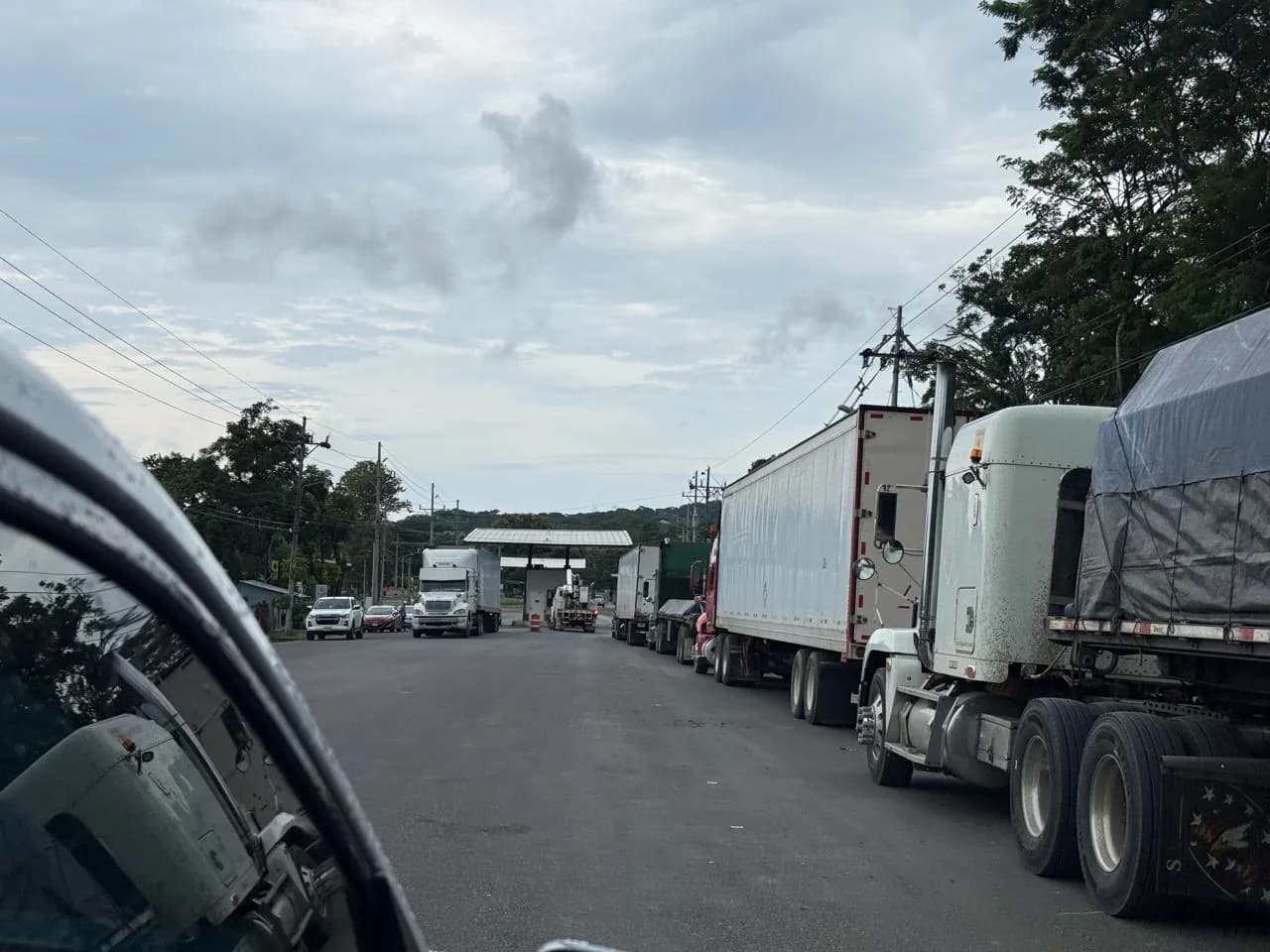
The line of trucks before the border. A line of freight trucks can begin several kilometers before Peñas Blancas. If you see trucks parked along the road around five kilometers out, do not assume that is the passenger queue. It is normal to see commercial vehicles waiting. Keep following the road and official signs toward the passenger border facilities, while obeying traffic directions and any instructions from police or border staff. Do not drive into oncoming traffic or pass unsafely just because the trucks are stationary. If the layout has changed or you are unsure which lane is for passenger vehicles, pull over somewhere safe and ask an official.
This is one of those small details that can save a surprising amount of stress. The sight of the trucks makes it feel as if everyone has arrived at the same endless queue. They have not. Your immigration line begins at the passenger offices, not at the back of a freight convoy.
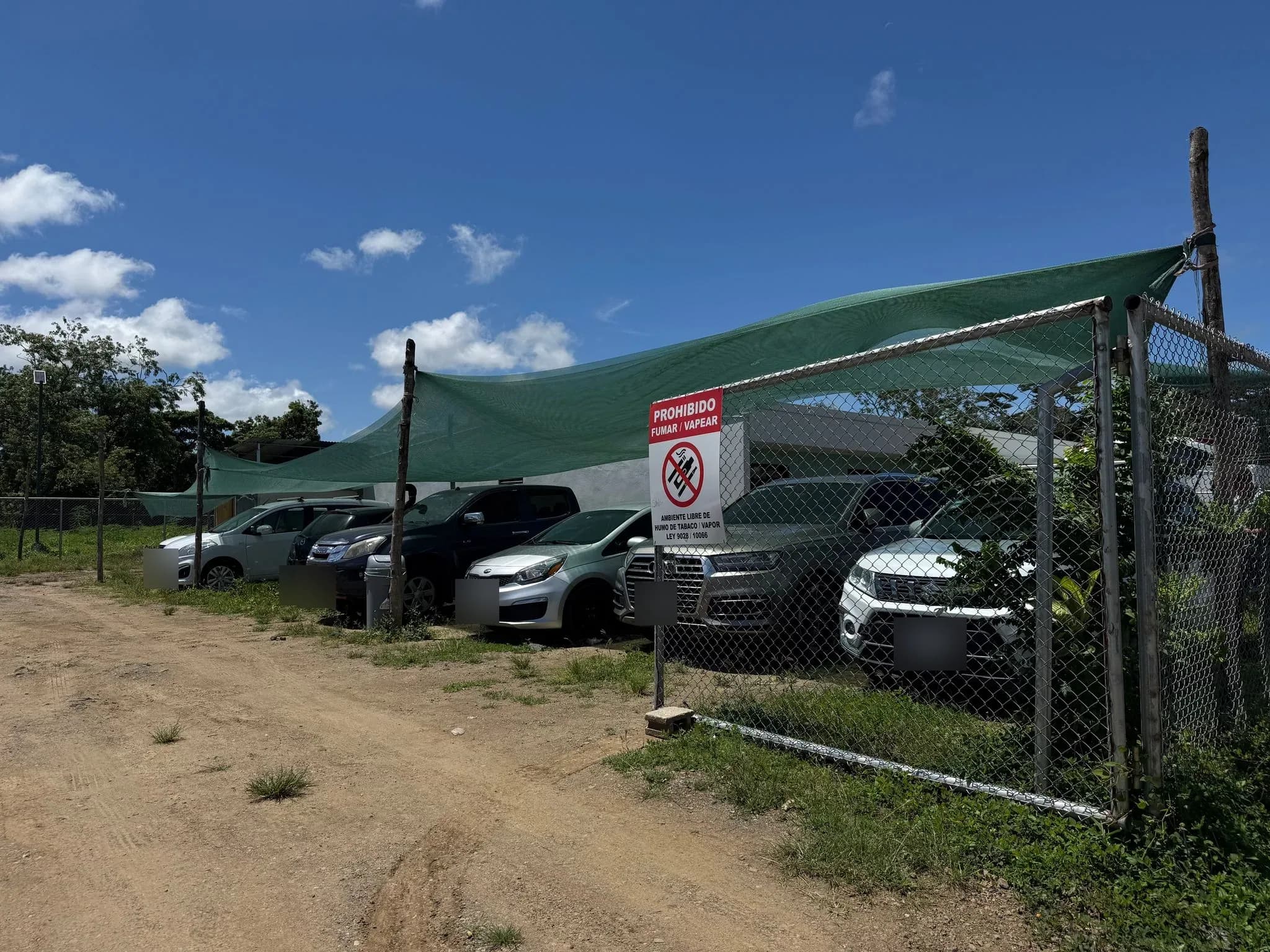
Our experience: we drove our own car to Peñas Blancas, but we had not arranged the document needed for it to cross the border in time. We left our car in a parking lot on the Costa Rican side, crossed on foot with our bags, and picked up a rental car on the Nicaraguan side. The missing vehicle document changed our transport plan. If you intend to take your own car across, check and arrange its required border paperwork well in advance.
By shuttle or taxi
A private transfer makes sense for a family, a group, lots of luggage, or an early start from a beach town. It should remove the uncertainty of getting to Peñas Blancas, not the need to visit immigration. Ask whether the quoted fare includes only the Costa Rican leg, how long the driver can wait if the border is slow, and what happens if you miss a connection on the Nicaraguan side.
We run cross-border shuttle routes between Costa Rica and Nicaragua, so you do not have to assemble the trip yourself. Some of the most useful ones for this crossing:
- Shared shuttle from Liberia or LIR airport to San Juan del Sur
- Shared shuttle from Liberia or LIR airport to Granada
- Shared shuttle from Monteverde to Peñas Blancas
- Shared shuttle from La Fortuna and Arenal to Peñas Blancas
- Shared shuttle from San José or SJO airport to Peñas Blancas
- Private shuttle from Liberia or LIR airport to Peñas Blancas
- Private shuttle from San José or SJO airport to San Juan del Sur
For a shared cross-border shuttle, clarify its meeting points: shared shuttles are not automatically door-to-door. You complete immigration yourself, and you should confirm the meeting point on the other side with the shuttle operator in advance. Check the full list on our Costa Rica to Nicaragua shuttle routes if your starting town is not listed above.
By bus
Public buses are usually the cheapest way to reach the border. They are best if you travel light, do not mind changing vehicles, and can stay flexible about your arrival time. Confirm the current departure point and timetable with the bus company or station before leaving. Old blog timetables get copied around the internet long after the buses have changed.
International buses are another option if you would rather keep one transport booking from a major city toward Nicaragua. You still have to complete exit and entry procedures, usually when the bus stops with the other passengers. Listen to the driver about where and when to regroup, and keep your own documents and receipts. A company arranging transport does not decide whether immigration admits you.
Leaving Costa Rica
Before you reach the exit desk, pay Costa Rica's official land-departure charge of US$8 and keep the receipt. The Banco de Costa Rica says this total consists of a US$5 exit tax, US$2 luggage-inspection charge and US$1 animal-health measure. Banco de Costa Rica provides an online payment form that accepts Visa or Mastercard and says it also has kiosks at land-border posts. This is an important correction to the blanket advice to "bring cash because they don't accept cards": you can pay this particular Costa Rican charge online by card. Cash is still sensible for other border fees and unexpected payment problems.
Make the receipt out using the passport document you will actually use to leave. If you pay online, download it before travel and keep a copy where you can reach it without an internet connection. Check the bank's instructions if you are a Costa Rican citizen or hold more than one passport, because the number you enter may differ. The bank says an unused exit-tax receipt does not expire, but a misspelled or incorrect document number can waste time at the counter.
At Costa Rican immigration, follow the current signs for Salida. Present your passport and payment receipt when asked. Make sure the departure is recorded correctly before walking on. Keep documents handy through the border area; there may be checks between the two countries. Follow marked pedestrian routes and official directions, rather than anyone offering a shortcut.
Border buildings and paths can change. Treat step-by-step photos in older articles as orientation, not a promise that a particular window is still on the left of a particular door. The useful sequence is stable: pay the Costa Rican charge, complete Costa Rican exit immigration, then proceed to Nicaraguan entry.
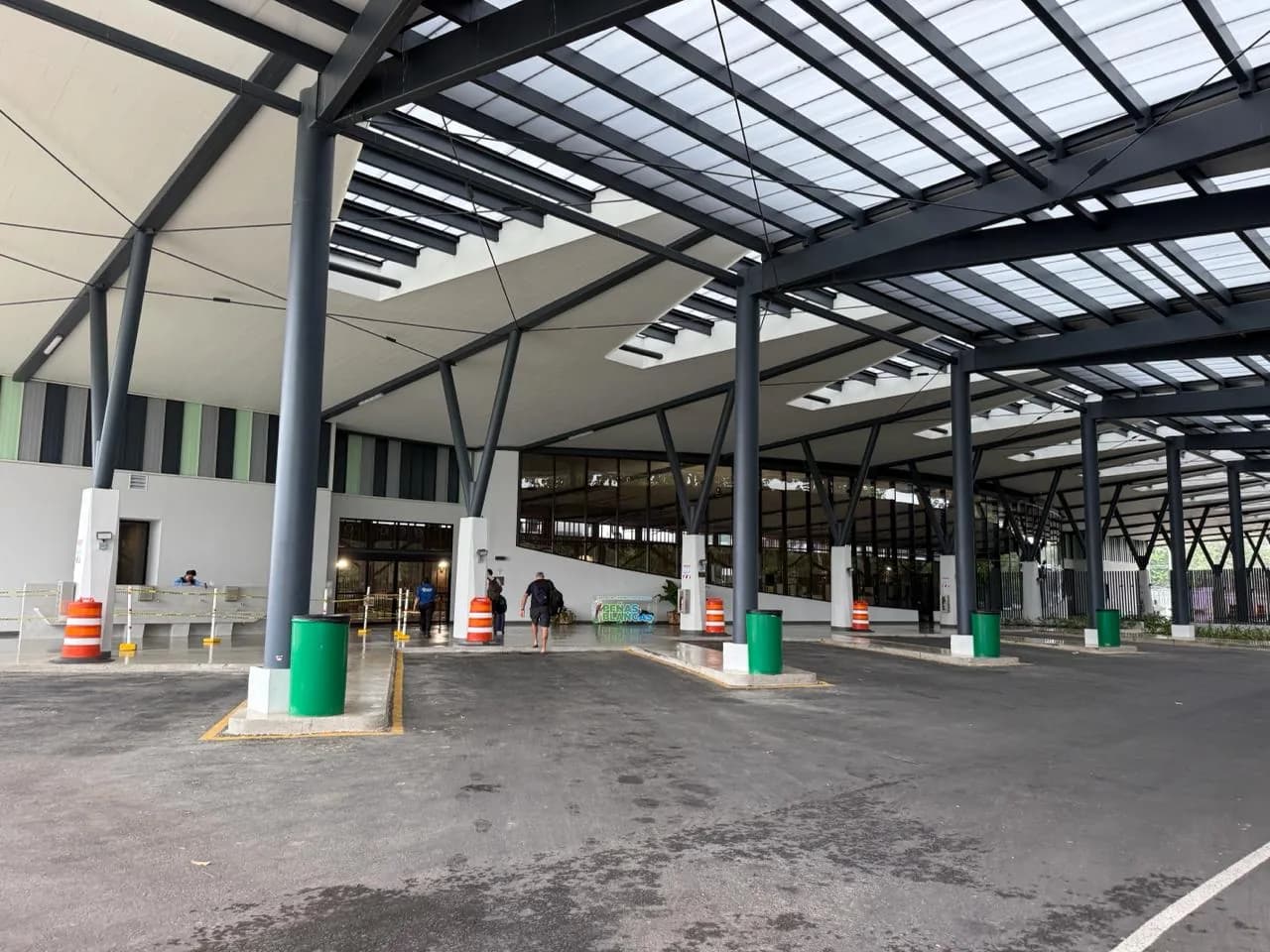
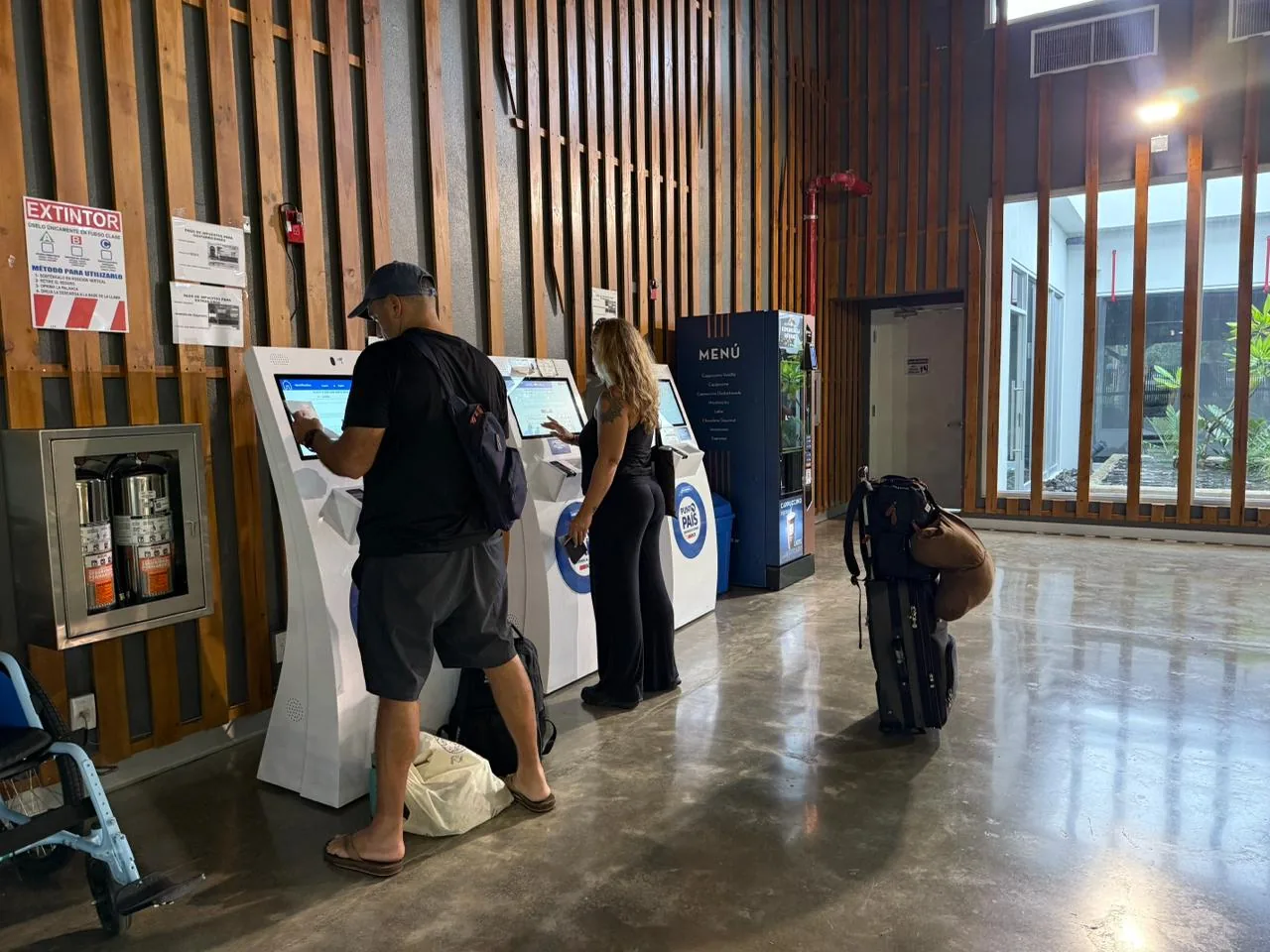
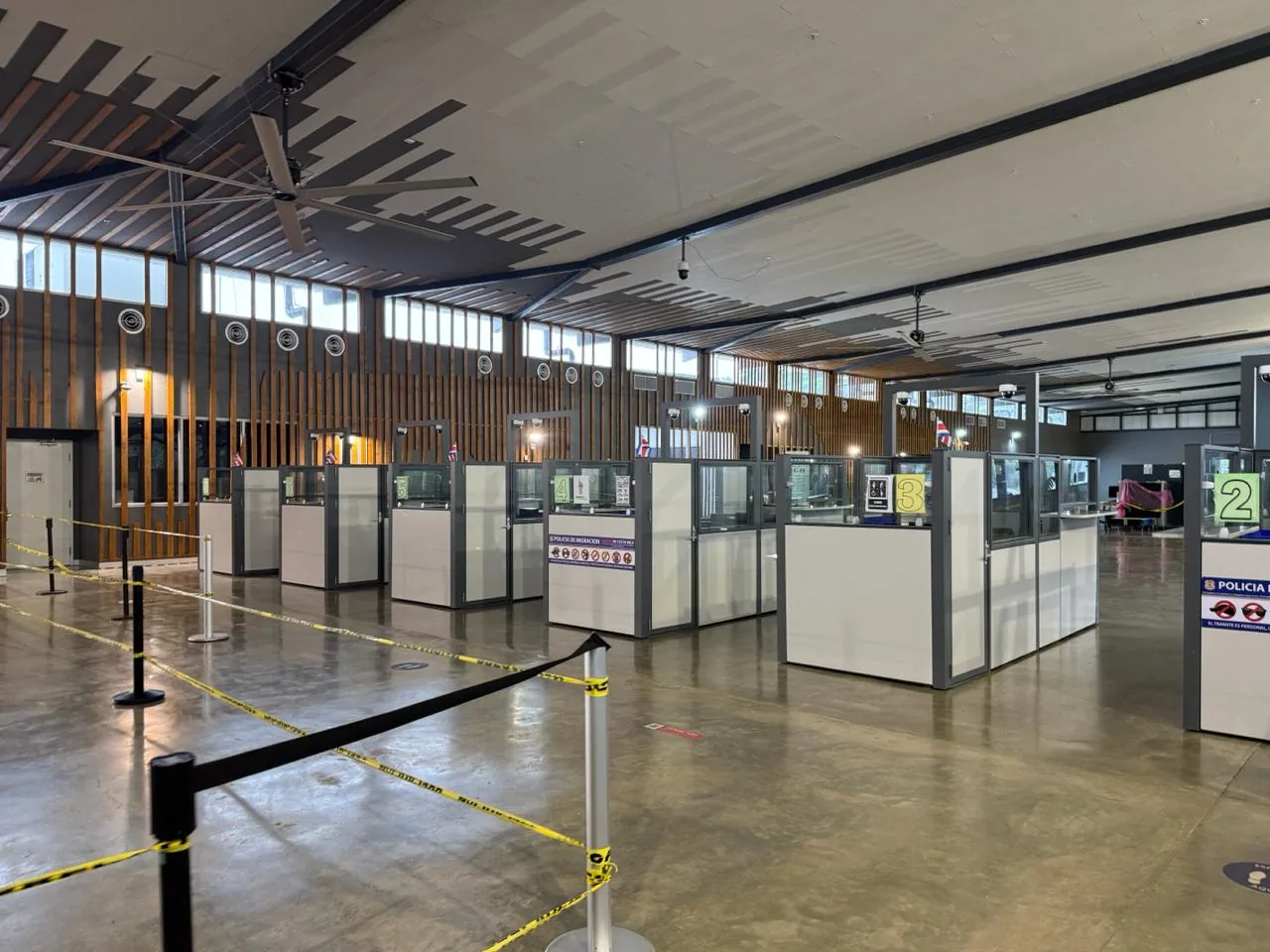
Entering Nicaragua
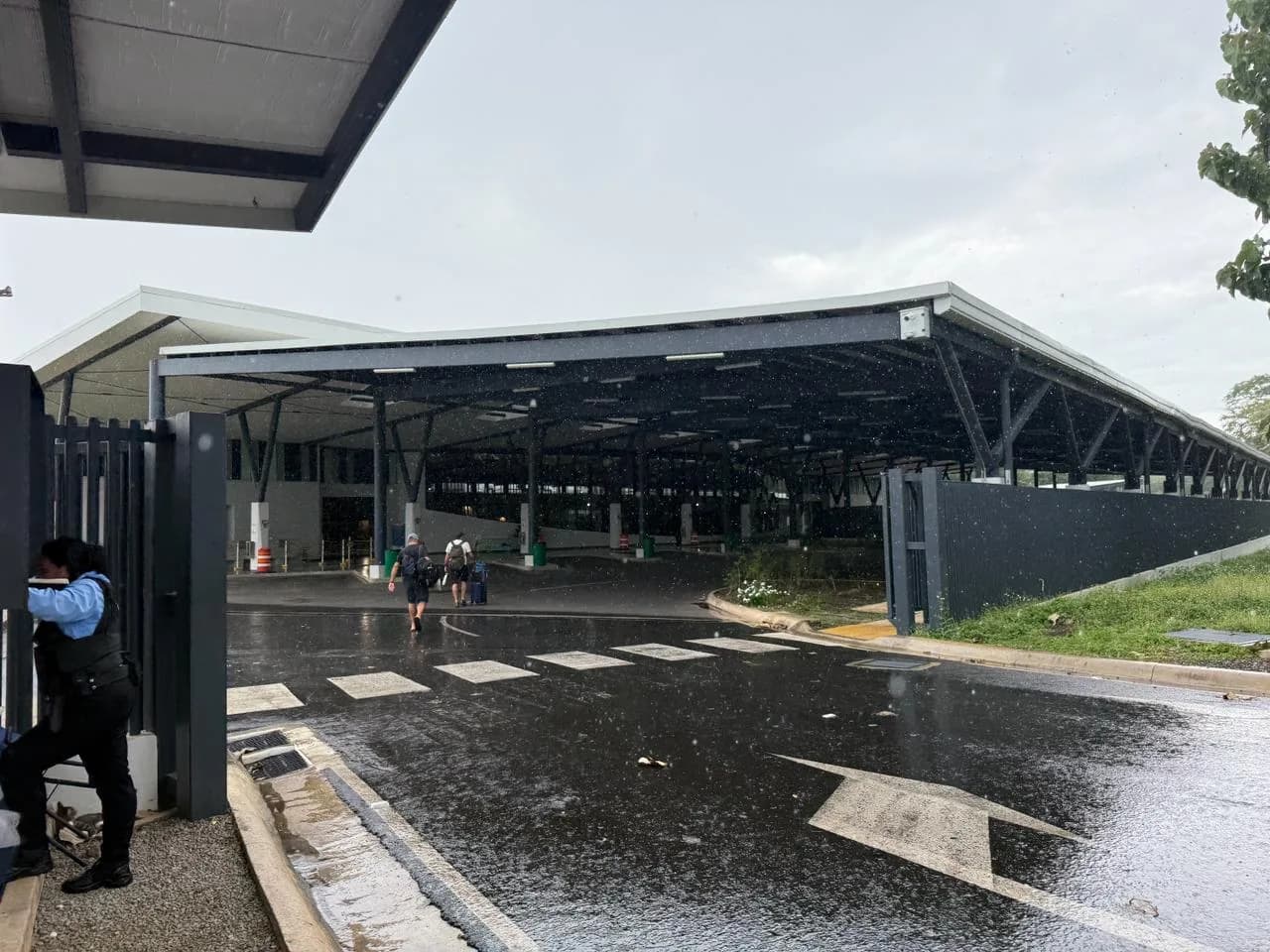
On the Nicaraguan side, follow signs to the official immigration area. Have your passport, your accommodation information and any onward-travel proof accessible. Answer questions plainly. If an official asks for a document you do not recognize, ask what it is called rather than handing papers or your passport to an unofficial helper. Keep every official receipt until you have completed the crossing and checked into your accommodation.
Budget for entry fees, but do not take US$13 as a universal legal tariff. The U.S. State Department and the U.K. government both list a US$10 cash tourist entry charge. Travelers at Peñas Blancas, including our team, have described paying about US$13 in total on entry when local or other charges are added. The precise extra amount and collection point can change and may differ by traveler. Bring small U.S. dollar bills, ask for an official receipt for each charge, and confirm current fees for your nationality before departure. Do not mistake a fee collected by an informal intermediary for an immigration requirement.
You may be directed through a baggage check or customs inspection. Follow the official process, especially if you carry medication, specialized equipment or restricted items. Nicaragua has specific rules for drones and electronic smoking devices; do not assume a legal item in Costa Rica can cross into Nicaragua. If you have unusual equipment, check the customs rules in advance rather than finding out after a bus has already left.
Once you have been admitted, take a moment to check your passport and record your permitted stay. Do that before rushing toward the taxi stand. Your stamp or entry record, not a generic promise of "90 days" in a travel blog, is what matters for your particular trip.
Our experience: we crossed at the beginning of October and it rained hard for most of the walk between the offices. An umbrella was not a nice-to-have that day, it was the difference between arriving at the next desk in reasonable shape and arriving soaked with wet documents. Pack one.
Getting onward from the Nicaraguan side
San Juan del Sur is a common first stop, but you still need transport after immigration. You can prearrange a pickup, use a licensed local service, or take public transport toward Rivas and connect onward. Check where your driver will wait and what name or phone number you should use if the border takes longer than expected. If you are continuing to Granada or Managua, ask whether the vehicle goes directly there or requires a change in Rivas.
Do not let the first person who approaches you with "taxi, taxi" choose your ride for you. Agree on the destination, currency, number of passengers and fare before loading bags. If you booked a transfer, match the driver to your confirmation rather than simply accepting that someone knows your first name. Keep your passport in your possession at all times. An immigration officer may need to handle it at a counter; an unofficial fixer does not need to walk away with it.
If you are traveling by public bus, keep enough small local currency or U.S. dollars for the first leg, but confirm what the operator will accept before boarding. A bus sold for "the border" and a bus to your actual hotel are two separate decisions. Give yourself extra daylight if you will be connecting through Rivas. We would rather you arrive early and have time for lunch than attempt three unfamiliar transfers after dark.
Leaving Nicaragua
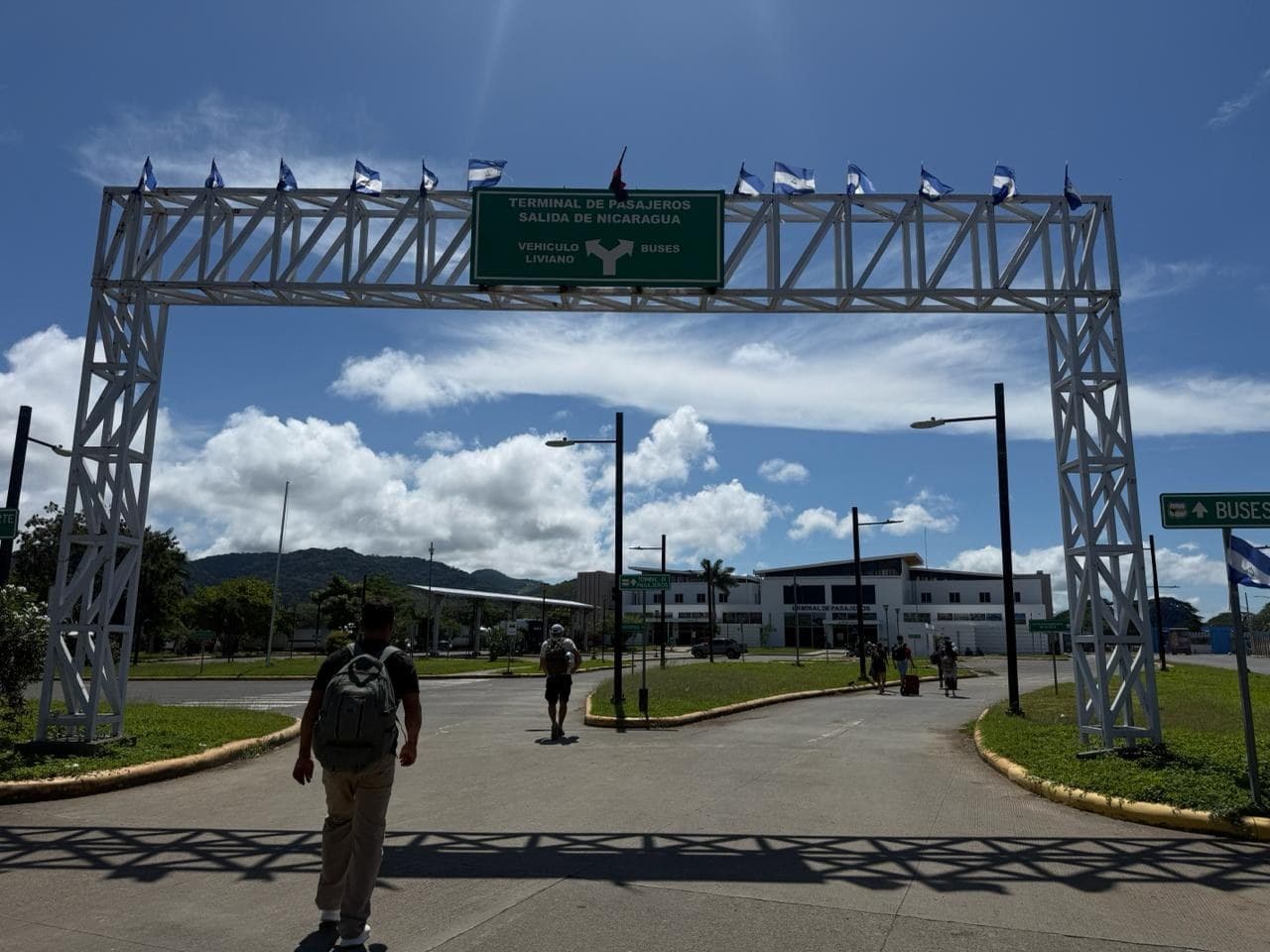
The return crossing is not just the first crossing backward. Check your Costa Rican entry documents again before leaving your Nicaraguan accommodation. If your onward ticket, passport or permitted-stay situation changed during the trip, fix it before reaching the frontier. An immigration official may ask for different evidence when you re-enter Costa Rica.
At Peñas Blancas, complete Nicaraguan exit with your passport, any required payment and the official receipt. Our on-the-ground note from the same trip is US$3 to exit Nicaragua by land. We have not found that precise land-exit amount on a current Nicaraguan government fee schedule, and other published advice mixes air-departure taxes with land charges. Treat US$3 as a useful planning figure, not a guaranteed or exhaustive fee. Carry several small bills and confirm the amount at the official window. Any municipal or service charge, if collected, should be itemized rather than silently folded into a quoted number.
Walk back along the official route to the Costa Rican immigration facility. Keep your passport and onward-travel documents ready for re-entry.
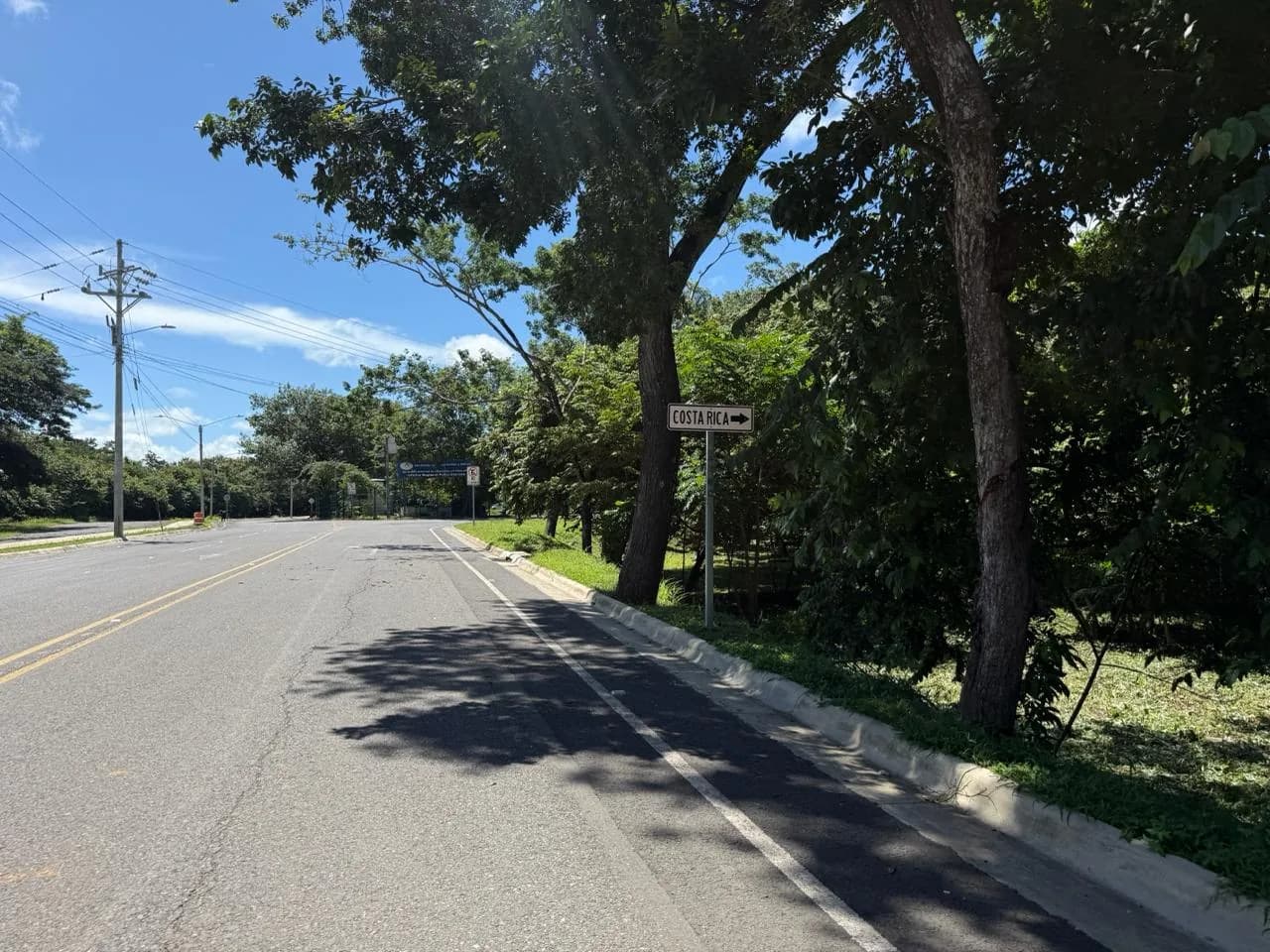
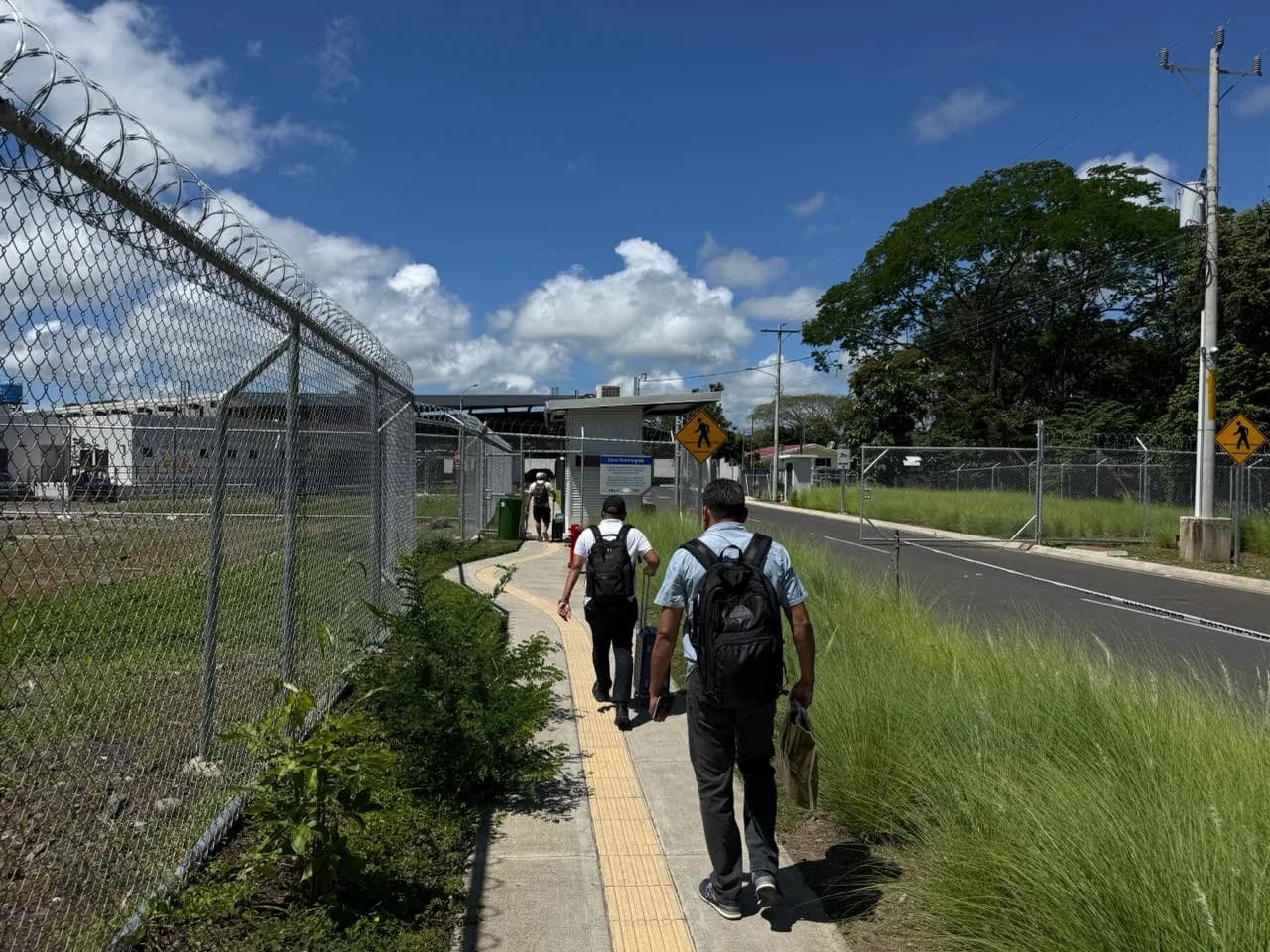
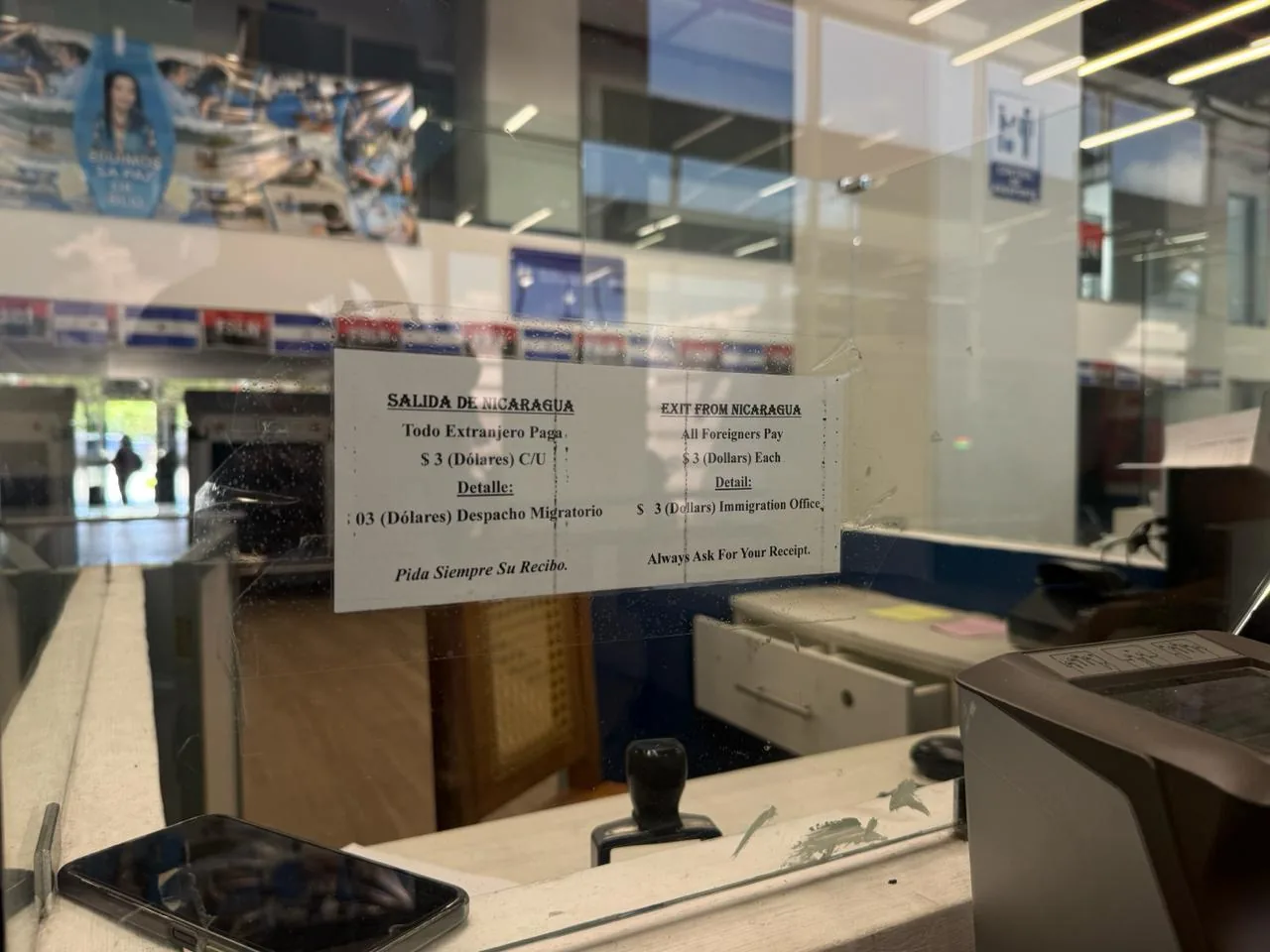
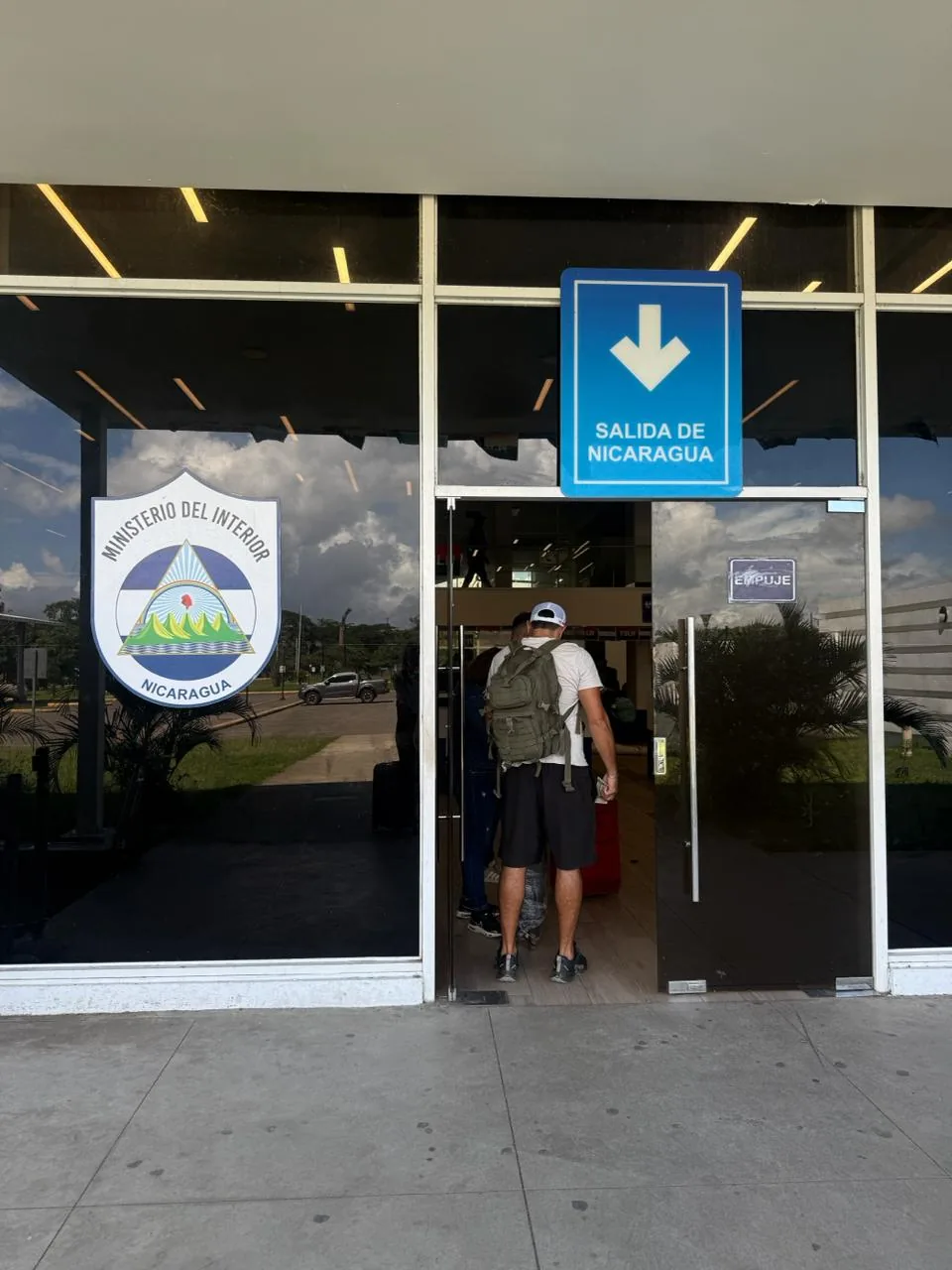
Entering Costa Rica
At Costa Rican immigration, present your passport and proof of onward travel from Costa Rica. Costa Rica's tourism authority says the officer sets the length of your new stay, with a maximum that depends on your passport group. Do not assume the number written on a previous entry stamp carries over. Once admitted, check your new entry record and complete any customs instructions before meeting your bus or driver. Keep your receipt from the Nicaraguan side and your Costa Rican paperwork together until you have left the border area.
The Banco de Costa Rica's US$8 figure is specifically a departure charge; it is not a fee to enter Costa Rica. If someone outside an official payment point demands an unexpected "entry tax," ask an immigration officer to identify the rule and the authorized collection point. Keep your receipts and avoid paying strangers to move you to a different queue.
Our experience: the day we crossed back it was sunny and the heat at the border was intense, with long stretches of standing in the open between offices. A hat and sunscreen mattered more than we expected. Shade is scarce, and the queues do not move to the shade for you.
Fees at a glance
For a typical trip Costa Rica → Nicaragua, plan for the US$8 Costa Rican land-exit total, as itemized by the Banco de Costa Rica, plus the US$10 Nicaraguan tourist entry charge listed by the U.S. and U.K. governments. Our practical estimate is about US$13 in total on entry to Nicaragua once additional local charges are counted. That makes approximately US$21 across both sides of the outbound crossing if the extra US$3 applies, before transportation or any nationality-specific charges. It is an estimate for cash planning, not a fixed tariff for every traveler.
For Nicaragua → Costa Rica, our field note is US$3 for Nicaragua's land exit. We are leaving that figure explicitly qualified until we verify it against the current official fee schedule or fresh receipts. Air-departure taxes quoted by government travel-advice pages are a different matter; do not add them to a land crossing just because both are called "exit tax." Carry extra small notes rather than arriving with the exact sum from any blog post.
Fees are not a reason to hand cash to whoever walks up first. Where you pay, whether a receipt is issued and which government or authorized bank collects it are as important as the number. If the amount at an official counter differs from this guide, follow the official instructions and let us know; we would rather update a qualified estimate than keep publishing a precise but wrong number.
How long does the crossing take?
The honest answer is that we cannot give you a guaranteed number. You are dealing with at least two immigration processes, a walk between them, possible baggage checks, and whatever passenger traffic happens to arrive at the same time. A busload reaching the desk just ahead of you can change your afternoon. Freight queues are visually dramatic but do not tell you how long passenger immigration will take.
Plan a buffer measured in hours, not in minutes. Travel early enough that a slow crossing does not force an unplanned night or a risky late connection. Holidays, weekends and school-vacation dates can bring heavier traffic. If you have a time-sensitive flight or a nonrefundable onward bus, consider sleeping on the correct side of the border the night before rather than betting your departure on a perfect crossing.
Give anyone meeting you on the other side a realistic arrival window and a backup communication plan. A transfer company should tell you what happens when immigration runs long; ask that before you pay, not while standing in line. If the timetable on a search result looks wonderfully convenient but was published years ago, verify it with the operator directly.
Safety tips
Use official desks and marked crossings. Do not photograph officers, other travelers' documents or restricted areas; follow any photography rules posted at the border. You do not need to pay a stranger to fill out a mystery form or escort your passport through immigration. If you get lost, ask uniformed staff which office handles the next step. Border rules and arrangements can change; a calm question at the right desk is better than a confident guess from an old comment thread.
Keep your passport on you rather than in a bag that goes into a luggage hold or a parked car. Do not hand it to anyone who is not behind an official counter. Count your bags each time you move between offices, and keep receipts until the crossing is finished.
Travel in daylight where you can, especially if you are connecting through Rivas or arriving in a new town. Tell someone your plan and expected arrival time, and keep a charged phone with your driver's number saved offline. If something feels wrong at a desk, ask for a supervisor rather than escalating with the person in front of you. Ask your own government's current travel advisory for Nicaragua before you go, since advisories and entry conditions change.
A final check before you go
Put your passport, onward travel confirmation, first accommodation address, Costa Rican exit-tax receipt and small U.S. bills together the night before. Check the current entry rules for your nationality, the latest Nicaragua travel advisory from your own government and your transport pickup details on both sides. Add an umbrella, hat, sunscreen and water to your day bag. If you see trucks lined up on the approach to Peñas Blancas, remember that the passenger process is farther ahead.
With the documents ready and enough daylight to absorb a delay, crossing becomes a series of manageable steps: leave Costa Rica properly, enter Nicaragua properly, then continue to the town you actually meant to reach. Pura vida, and have a good trip north.
Frequently asked questions
Yes. Many travelers arrive by bus or transfer, walk through immigration and take a different vehicle onward. The pedestrian process is normal. The important part is arranging the first and last legs separately, particularly if your destination is beyond Rivas.
Not without immigration formalities. Even with through transportation booked, you must follow the exit and entry instructions at the border. Ask your operator whether passengers change vehicles, where to meet after immigration and how delays are handled. A booking for the ride is not permission to enter Nicaragua.
Do not count on it. You can pay Costa Rica's land-exit charge online with Visa or Mastercard through the Banco de Costa Rica, but official U.S. and U.K. guidance describes Nicaragua's US$10 tourist entry charge as cash. Bring small U.S. dollar notes even if you paid the Costa Rican part online. Ask for official receipts when you pay.
No. Seeing freight trucks parked along the approach does not mean you need to join the back of them. Follow passenger-vehicle or pedestrian directions, drive carefully and obey officials on site. Traffic arrangements can change, so never use an informal shoulder as a guaranteed bypass.
For your own car, check the current vehicle-document and authorization requirements with the relevant authorities well before travel. We could not take ours across because we had not arranged the required document in time. Rental cars are a separate question: do not assume a Costa Rican rental agreement permits a Nicaragua crossing. Check the company's written policy, insurance and any vehicle-exchange arrangement before you book. Never leave valuables in a car parked at the border.
Non-resident visitors should have proof of return or onward travel. Costa Rica's official guidance recognizes pre-purchased commercial bus tickets, flights and cruise passage, and the immigration officer sets the permitted stay at entry. Bring the actual confirmation, not merely a verbal plan to leave later.
It is not guaranteed. Leaving and re-entering is a new immigration decision. The officer may set a different period or refuse entry if requirements are not met. If you are planning around residency, an overstay or repeated short exits, get individual immigration advice rather than treating a blog post as a visa strategy.