Peak season in Costa Rica runs from late November through April — the dry season, when North America and Europe are cold and everyone wants sun, beaches and rainforest. Add Christmas, New Year and Semana Santa (Easter week), and you get the busiest, most expensive and most booked-out weeks of the Costa Rican year.
Here's the good news from people who live here and move travelers around all season: peak season is absolutely manageable. The travelers who struggle are the ones who treat Costa Rica like a spontaneous destination in February. The ones who plan the right things at the right time have a fantastic trip — sunny days, lively beach towns, and every tour operating at full capacity.
This guide is the operational version: what sells out first, how far ahead to book each piece, where the crowds actually concentrate (and where they don't), and how to keep your itinerary flexible enough to survive a sold-out shuttle or a fully booked national park.
When is peak season in Costa Rica?
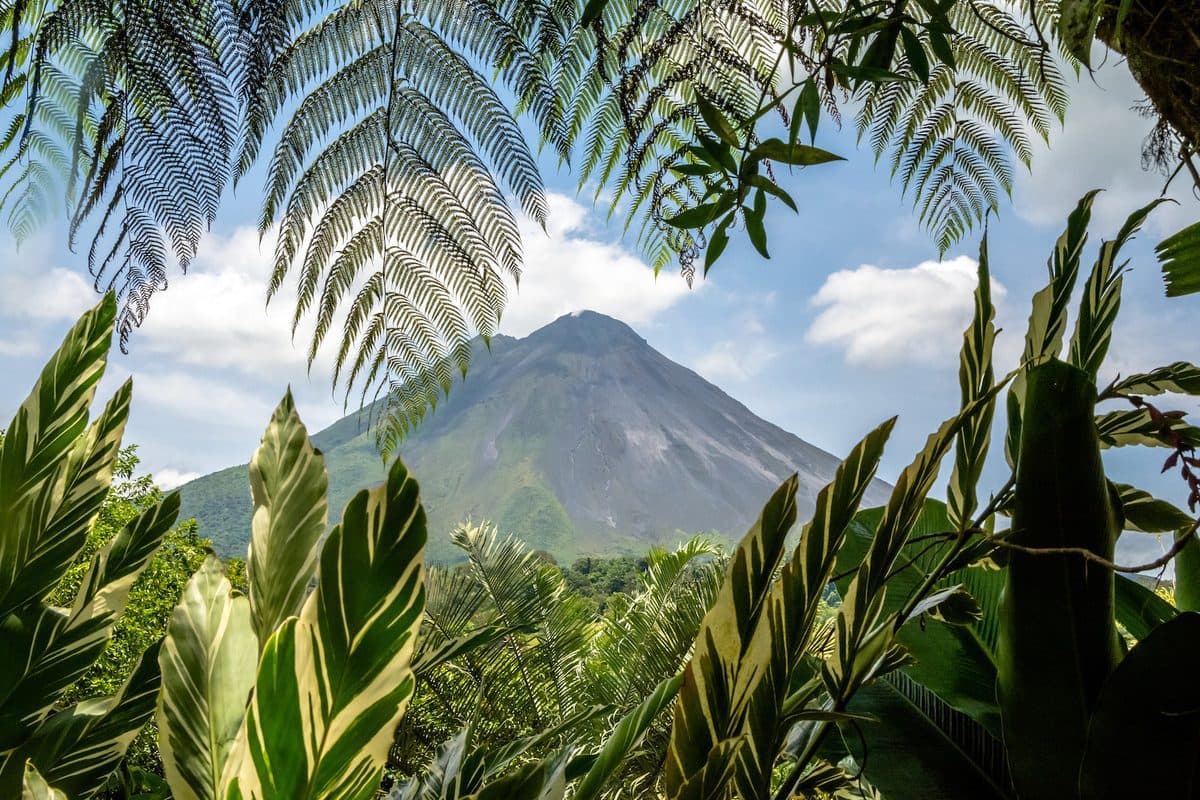
Costa Rica's peak season is the dry season, late November through April, with two intense surges on top: the Christmas–New Year holidays (roughly December 15 to January 5) and Semana Santa, the week leading up to Easter.
Within those months, demand is not uniform:
- Early December: busy but not crazy — the sweet spot for good weather with lighter crowds
- Mid-December to early January: the absolute peak. Families on school break, winter escapees, and Costa Ricans on vacation at the beach all at once
- January to mid-March: steadily busy, especially around US Spring Break weeks in February–March
- Semana Santa (Easter week): the second surge. This one is different — it's driven by Costa Rican travelers too. Beach towns fill with local families, alcohol sales are restricted on Holy Thursday and Friday, and the country practically relocates to the coast
- April: crowds taper after Easter; late April is a transition month with rising heat and the first rains
There's also a mini-peak in July–August ("veranillo", the little dry season) when European and North American summer holidays bring a second wave — much quieter than December, but worth knowing about. If you want the full month-by-month weather picture, we cover it in our guide to the best time to visit Costa Rica.
Why is peak season so busy (and more expensive)?
Simple supply and demand: everyone on the planet with a winter break wants sunshine, and Costa Rica delivers it in those exact months. Three things happen at once:
- Flight loads spike. More direct flights land at SJO and Liberia, but seats and prices still tighten from mid-December through early January.
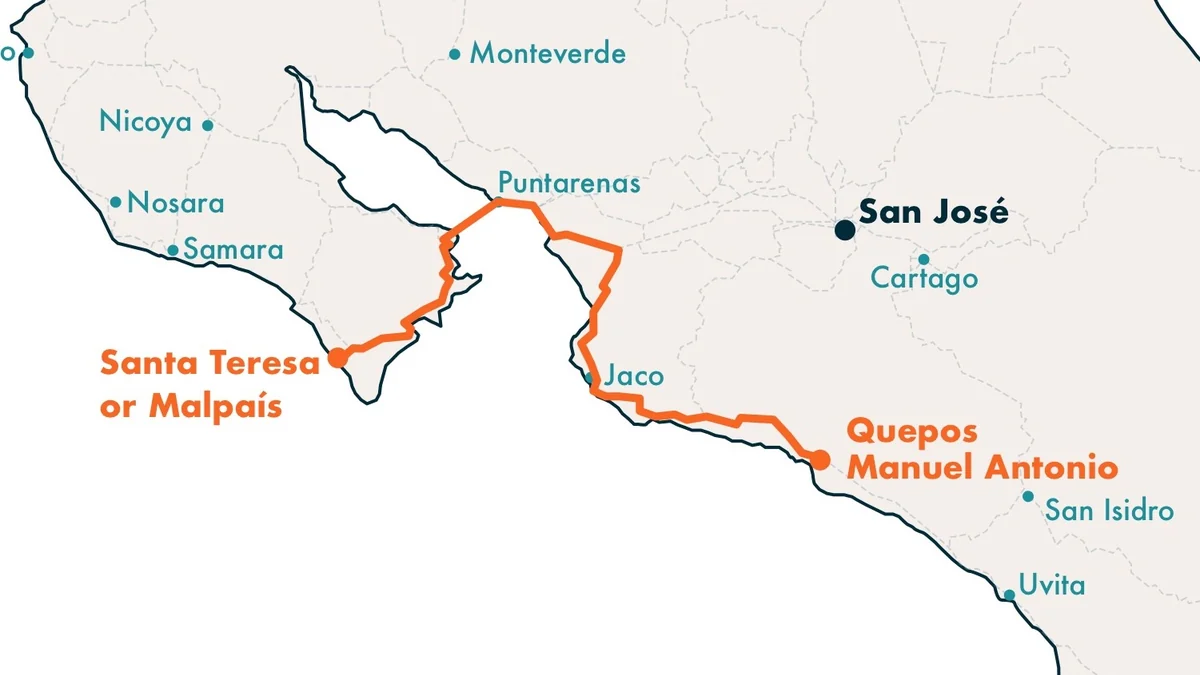
- Accommodation inventory shrinks. The most desirable hotels in Manuel Antonio, Santa Teresa or Tamarindo can sell out months ahead for holiday weeks, and many require minimum stays over Christmas and New Year.
- Everything operational gets tight. Shared shuttles run at full capacity, rental car fleets are reserved out, popular tours sell their morning slots first, and national parks with daily caps (like Manuel Antonio) hit their limit almost every day.
One local nuance travelers miss: Costa Ricans travel during the same holidays. Semana Santa and the Christmas weeks are when Tico families head to the beach, so domestic demand stacks on top of international demand. That's why beach destinations and the coastal highway feel dramatically busier than, say, La Fortuna in the same week.
Where the crowds actually go (and where they don't)
Peak season does not hit every destination equally. Crowds concentrate where paved roads, beaches and famous names meet:
- Heaviest pressure: Manuel Antonio, Tamarindo, Santa Teresa, Jaco, La Fortuna/Arenal, Monteverde and Poás — the classic circuit. Manuel Antonio National Park hits its daily visitor cap most days in high season.
- Busy but spread out: Uvita and Dominical get livelier but their beach areas absorb people well; Puerto Viejo on the Caribbean has its own best-weather window in Feb–April and fills up too.
- Noticeably quieter, even in peak weeks: the southern Pacific beyond Dominical, the Nicoya hinterland, the Osa Peninsula (driving there is the filter), rural La Fortuna surroundings, and the Caribbean south in its rainier months.
Practical translation: if your dates are locked to Christmas week but you crave quiet, swap Manuel Antonio for Uvita or Dominical, or trade the Monteverde cloud forest for a smaller reserve. Same country, same dry-season weather pattern in most of the Pacific, a fraction of the congestion. Our destination guides break down what each area is actually like.
How far in advance should you book?
Not everything needs booking at the same time. This is the order we'd lock things in, based on how fast each piece actually sells out:
- Flights — 3 to 6+ months ahead. Holiday-week flights to SJO or LIR are priced by demand; the earlier the better.
- Accommodation — 2 to 4 months ahead for January–March, 6+ months for Christmas/New Year. Beach-front and small boutique properties go first. In Quepos/Manuel Antonio, holiday availability is the tightest in the country.
- Shared shuttles — 2 to 4 weeks ahead for regular high-season dates, as early as possible for Christmas week (seat capacity is fixed per departure and routes sell out — check our shared shuttle schedules for routes and times).
- Private transfers — 1 to 2 weeks ahead. More capacity exists, but holiday-week drivers get committed early.
- Popular tours — 3 to 7 days ahead, earlier for small-group or limited-capacity experiences (sportfishing charters, sailing catamarans, Corcovado day tours from Uvita, Tortuga Island boats).
- National park tickets — as soon as your dates are fixed. Manuel Antonio sells out most high-season days and tickets are online-only. Tickets are usually available on the SINAC website about two months in advance.
- Rental cars — 1 to 2 months ahead for high season. Fleets are finite and February is consistently the tightest month.
What you can safely leave flexible: which beach you'll nap on, which soda you'll eat at, waterfalls you'll chase on a whim, and most non-ticketed nature spots. Over-booking every day of a Costa Rica trip is its own mistake — more on that below.
Transportation during peak season: what actually changes
This is where peak season bites hardest, because transport capacity is fixed while demand doubles. The honest breakdown:
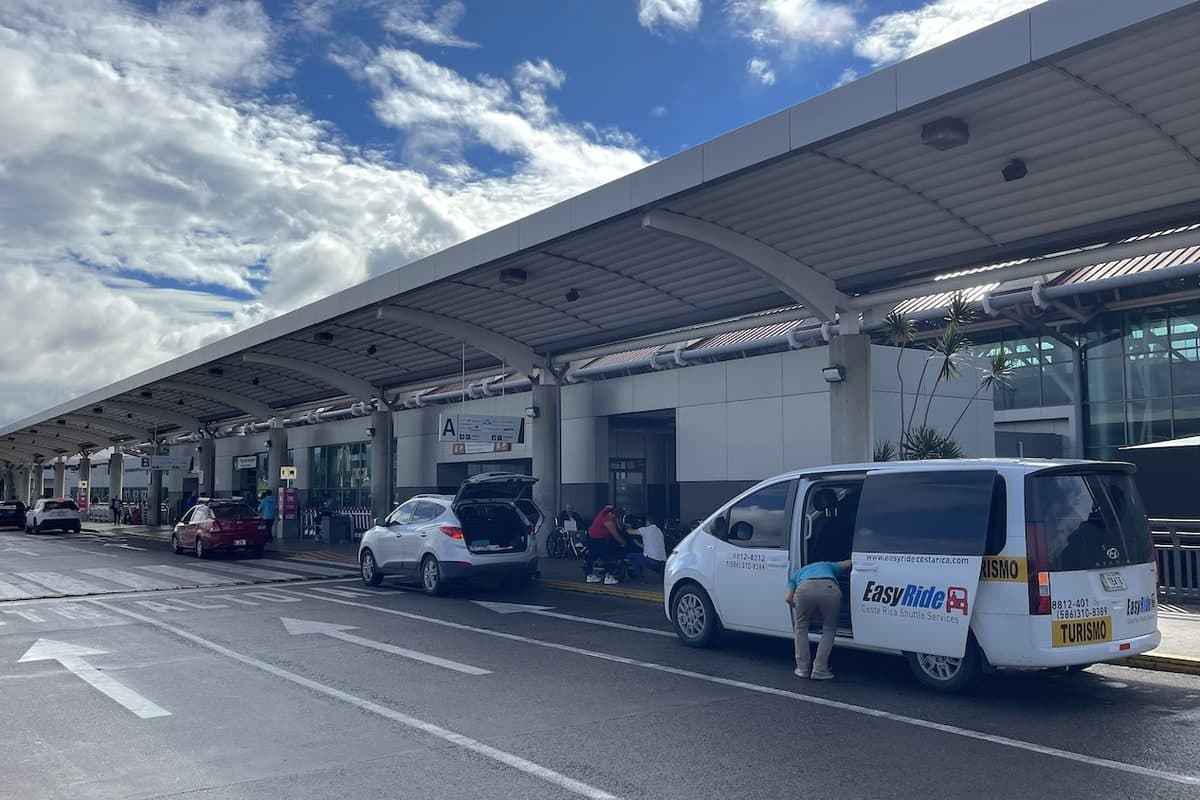
- Shared shuttles: same schedules, but seats sell out instead of being available the day before. Book the week before at minimum; Christmas week, book when your flights are confirmed. The upside: shared shuttles are the most predictable way to move around in peak season because your seat is guaranteed.
- Private shuttles: more supply, but holiday weeks still tighten. Book earlier if you need a specific time (airport runs, early park entries).
- Public buses: they run, and they're the budget hero — but expect fuller buses, buy tickets early for long routes (the San José–Quepos and San José–Puerto Viejo lines fill up), and build in extra time: holiday traffic on the coastal highway is real. Our Costa Rica bus guide covers routes and terminals.
- Rental cars: available but pricier, and you'll queue at the counter. The roads themselves don't gain lanes — the drive from San José to Manuel Antonio that takes 3 hours in October can take 4+ on a peak Friday.
- Domestic flights: a genuine peak-season hack for long hauls. The San José–Quepos or San José–Tamarindo hop turns a 4-hour drive into half an hour, and seats sell by the plane. See our domestic flights guide.
One rule that saves trips: never plan a same-day connection that depends on arriving exactly on time during the holidays. Give yourself buffer hours around any shuttle, bus or flight — traffic between San José and the coast is the single most common cause of missed tours we see.
How to plan tours and national parks in high season
Two different problems to solve: tours sell by capacity, and parks sell by daily caps. Different tactics for each.
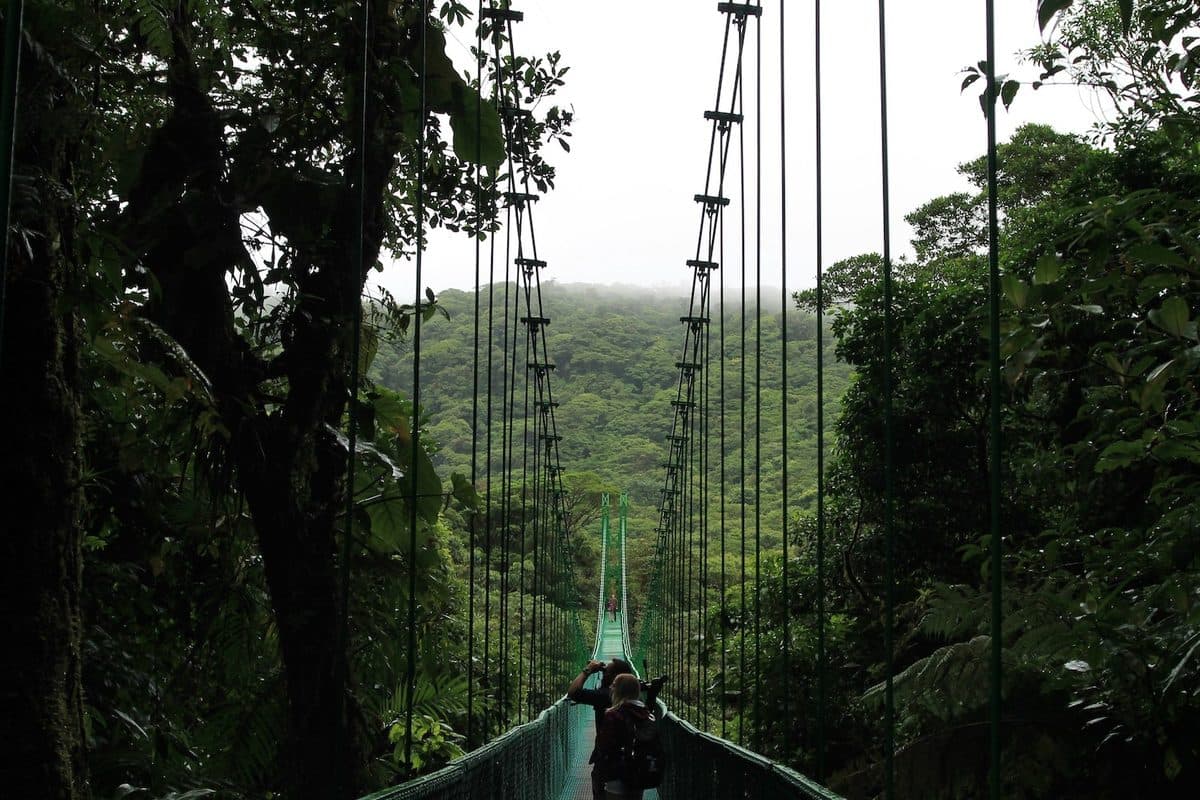
For tours: book morning slots first — they're the first to go and usually the best experience anyway (cooler, calmer seas, more active animals). Use mornings for the marquee activity and keep afternoons for flexible stuff. If a tour is sold out, ask about the afternoon version or the next day before giving up; capacity is often there.
For national parks: the Manuel Antonio cap is the famous one — tickets are online-only, and same-day availability in high season is rare. Book the park day as soon as your trip dates are set (the Manuel Antonio National Park guide covers tickets, hours and the Tuesday closure). A guided tour solves both problems at once: our Manuel Antonio National Park tour includes the park ticket, the naturalist guide and hotel pickup, so the sell-out risk becomes our logistics problem, not yours.
Sequencing tip: pair each busy attraction with a flexible filler. Manuel Antonio morning → beach afternoon. La Fortuna waterfall early → hot springs whenever. That way a delay never wrecks the whole day.
If you'd rather see how the pieces fit together, our Costa Rica itineraries show realistic day-by-day plans with travel times already accounted for.
How to save money during peak season
Prices rise in peak season, but there's real room to spend less without sacrificing the trip:
- Shift your dates one or two weeks. Early December and late April deliver near-dry-season weather at noticeably lower prices than Christmas week or March. It's the single biggest saving available.
- Use shared shuttles instead of private ones where your schedule allows — splitting a van with other travelers costs a fraction of a private transfer.
- Take the bus for long, popular routes. San José to Quepos or Puerto Viejo by public bus costs a small fraction of any other option and runs several times daily.
- Stay one town over from the hotspot. Dominical instead of Manuel Antonio, or El Tanque/fortuna outskirts instead of the Arenal strip — same region, lower rates.
- Eat where Ticos eat. Sodas serve a full casado for a fraction of tourist-restaurant prices, and they're often better.
- Book direct with local operators. You skip middlemen margins and the money stays in the country.
Common peak-season mistakes to avoid
After years of helping travelers fix mid-trip problems, these are the recurring ones:
- Booking the hotel but not the transportation. The hotel is confirmed, then every shuttle on their travel day is full. Lock transport when you lock lodging.
- Assuming Manuel Antonio tickets are available on arrival. They're not — online only, and high-season days sell out.
- Planning San José → coast → tour on one day. Traffic alone can blow the schedule. Arrive, sleep, tour the next morning.
- Leaving Semana Santa unplanned. It behaves like Christmas week for domestic travel — and beach towns get busier than December.
- Over-scheduling. A tour every single day leaves no room for the thing Costa Rica does best: an unplanned afternoon at a waterfall or beach you just found.
- Forgetting Tuesdays. Manuel Antonio National Park is closed every Tuesday — it catches travelers constantly.
How to build a flexible peak-season itinerary
The sweet spot is a skeleton with flesh you can move. Our recommended structure:
- Fix the non-negotiables first: flights, first and last nights' hotels, airport transfers, and the 1–2 experiences you'd be heartbroken to miss (that Manuel Antonio tour, the catamaran, the Corcovado day).
- Anchor each destination with one booked thing and leave the rest of the days open. Two booked activities per destination, maximum.
- Group destinations by route, not by wishlist. San José → La Fortuna → Monteverde → Manuel Antonio flows north-to-south with sane drives; random zigzags waste half-days on the road.
- Keep one "wildcard" afternoon per destination for weather, tired kids, or the beach day that everyone wants to repeat.
- Book a couple of meals only where reservations genuinely matter; everything else is walk-in friendly in Costa Rica.
If you want a ready-made skeleton, our itineraries are built exactly this way — anchored highlights with flexible space between.
So, is peak season worth it?
Honestly? For most travelers, yes — with eyes open. December through April is when Costa Rica is at its most reliably sunny, the seas are calmest for snorkeling and catamarans, and every tour, restaurant and national park is fully operational. The crowds are real, but Costa Rica's crowding is concentrated: pick your towns wisely, start your days early, book the essentials in advance, and the busiest season in the country feels full rather than frustrating.
If you're price-sensitive or crowd-averse, the edges of the season — late November or late April, and the July–August mini-peak — give you most of the weather with a fraction of the pressure. Our guide to the best time to visit Costa Rica goes deeper on that trade-off.
Frequently asked questions
Peak season is the dry season from late November through April, with the busiest weeks from mid-December to early January and during Semana Santa (Easter week). These are the months with the best beach weather and the highest demand for hotels, shuttles and tours.
For holiday weeks, book flights and hotels 6+ months ahead, shared shuttles as soon as flights are confirmed, and popular tours at least 1–2 weeks ahead. Manuel Antonio National Park tickets should be booked the moment your dates are fixed.
Yes — it's one of the easiest car-free trips in Central America if you book ahead. Shared shuttles connect every major destination, public buses cover long routes several times a day, and domestic flights shortcut the longest hauls. The key difference in peak season is that you must reserve seats in advance rather than buying last-minute.
Yes, during peak weeks they do. Shared shuttles have fixed seats per departure, tours with boats or small groups cap naturally, and national parks cap daily entries. In quieter months last-minute booking usually works; in peak season it regularly doesn't.
Semana Santa (Easter week) is one of the two busiest travel periods of the year, driven heavily by Costa Rican travelers heading to the coast. Beach towns are lively and full, transport runs at capacity, alcohol sales are restricted on Holy Thursday and Friday, and anything near a beach books out far in advance.
The southern Pacific beyond Dominical, the Osa Peninsula, rural areas around La Fortuna and Arenal, the Nicoya hinterland, and the less famous Caribbean corners all stay noticeably calmer than Manuel Antonio, Tamarindo, Santa Teresa or Jaco in the same weeks.
Expect the biggest jumps on hotels — holiday weeks in popular beach towns can cost meaningfully more than the same room in May or October, and many properties require minimum stays over Christmas and New Year. Tours and shuttles hold their prices more steadily; flights are the most volatile and depend on booking timing.
Within reason. Flexible parts of your itinerary (beaches, waterfalls, small towns, walk-in restaurants) can move freely. What's hard to change at the last minute: shared shuttle seats, tours with fixed capacity, and national park tickets. That's why we recommend booking the skeleton and leaving the flesh flexible.
Plan the booking order, then enjoy the chaos
Peak season in Costa Rica rewards one specific skill: booking the right things early and leaving the rest alone. Lock in flights, hotels, airport transfers and your must-do tours or park days — then let the trip breathe. The beaches will still be there on your wildcard afternoon, and the unplanned soda lunch often ends up being the day's best memory.
If you want help building the skeleton, that's literally what we do every day — we're a family business based in Manuel Antonio, and we move travelers around this country through every peak season ourselves. Browse our shared shuttles, compare options in our transportation guide, or send us your dates and we'll help you build a peak-season plan that doesn't fall apart.